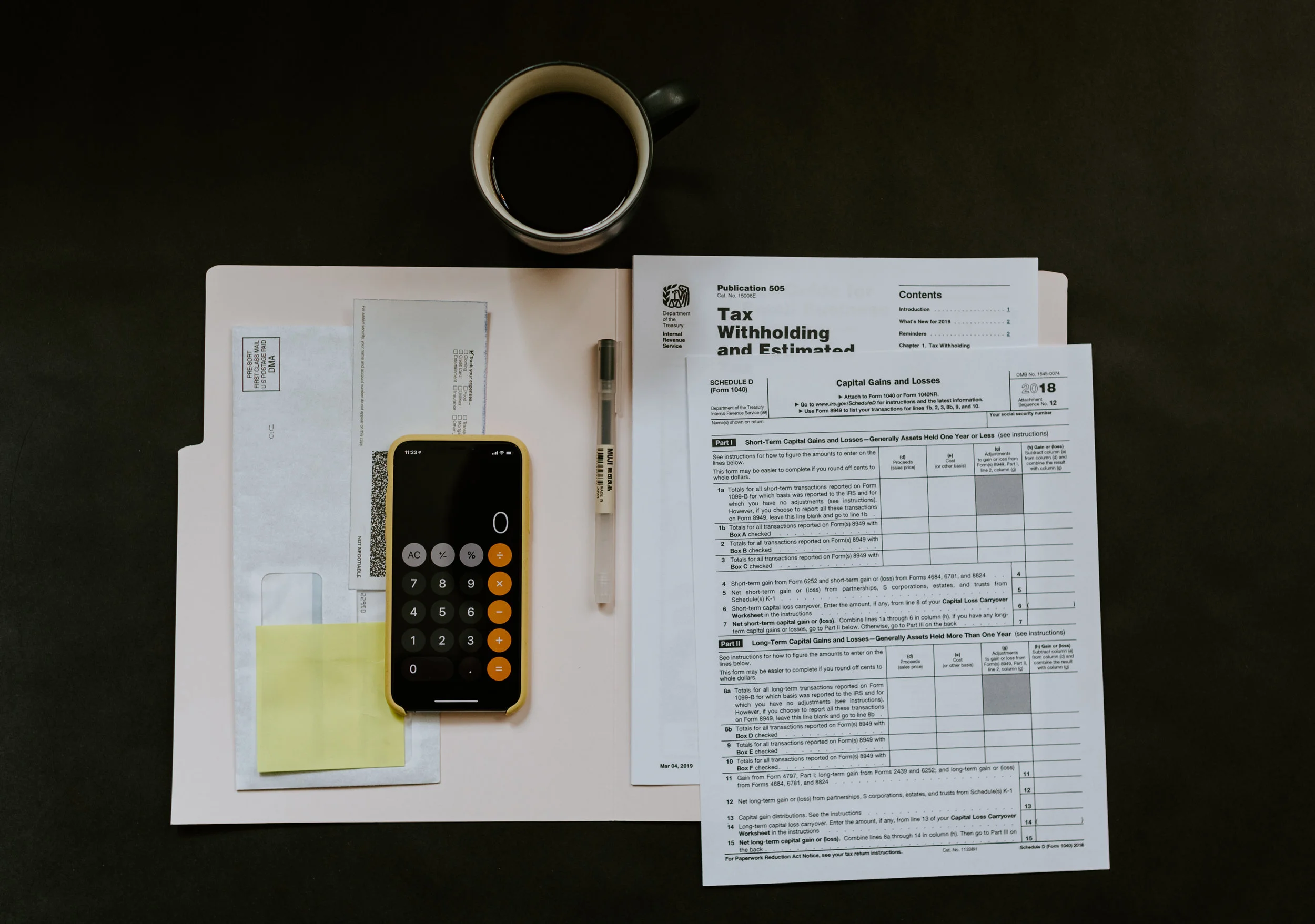
The Public Policy Institute of California reports that more than half of Californians think their tax burden is unjust, and nearly half of the reliably-liberal Bay Area agrees. Read a breakdown of tax opinions here.
Read More
The Public Policy Institute of California reports that more than half of Californians think their tax burden is unjust, and nearly half of the reliably-liberal Bay Area agrees. Read a breakdown of tax opinions here.
Read MoreDespite receiving widespread acclaim for its Diridon Station campus, Google still faces nay-sayers. Read an analysis of the short opposition statement from a director at Working Partnerships here.
Read MoreIn 2018, Seattle City Council both approved and later repealed a head-count tax that would charge large-grossing businesses with an additional per hour tax rate based on the number of employees. The short lived tax set an upper limit of $275 on the total amount that could be taxed per employee per year, which briefly caused Amazon to pause their estimated potential expansion of 7000 new employees within the Seattle region. Read why that policy was swiftly repealed here.
Read MoreOpponents of the widely-supported Google campus near Diridon Station suffered substantial setbacks last week as both the courts and urban planning experts sided with Google and the City of San Jose regarding the proposed development. Read more about the reaction to Google’s proposal here.
Read MoreLast Thursday night, Google representatives met with the Station Area Advisory Group (SAAG), San Jose residents, and City Council members at San Jose City Hall to discuss the company’s first design plan for its proposed campus next to Diridon Station. While the benefits to SJ including tax receipts and downtown development are substantial from Google, it is important to remember that the company received no subsidies or discounts in buying the property for the proposed campus. Read more about this free market development here.
Read MoreSan Jose policymakers are in the preliminary stage of formulating anti-displacement policy. The broad goal of new policy is to produce, protect, and preserve existing housing units and renters. Displacement is the phenomenon of new housing development forcing out incumbent renters within a city. Read more about why San Jose’s proposed displacement policies might have unintended consequences.
Read MoreSacramento's Measure U, passed last year, raised city sales tax by a half a cent. The measure passed, with city officials promising more spending for affordable housing and infrastructure. Read here about why those revenues may not go to local services.
Read MoreThe San Jose Mercury News undercut a key myth of local progressives--that high tech workers drive up rents--by reporting that a recent *increase* in tech workers in Silicon Valley has in fact resulted in a *decrease* in average rents in the area.
Read MoreLocal progressives inaccurately claim that the South Bay's middle class dwindles because rich techies are taking all the money and forcing everybody out. The claim is false on the facts and shows a limited understanding of economic principles. Read the facts here.
Read MoreWe just had a teachable moment at the San Jose City Council about how government and advocates can pervert language to deliver preferential financial treatment to special interests. At issue during the August 6th, 2019 San Jose City Council meeting was whether the reduction of city fees on developers--specifically fees regarding downtown high rise developments--represents a "subsidy" to those developers, therefore should trigger a series of city regulations preferential to labor unions.
Read MoreWorking Partnerships recently released a report suggesting that Google’s Diridon project will cause rents to rise an eye-popping $235 million per year.
Recently-uncovered methodological, logical, and statistical flaws in the report regarding the free market project have drawn notice and undermined the report’s influence and relevance.
Read the report’s six biggest flaws here:
Read MoreAnup Malani is a professor at the University of Chicago Law School and offers an intriguing, if counter-intuitive approach to the nation's big cities housing crisis. He notes the root of the crisis is "that local voters have an interest in restricting the housing supply. Existing homeowners worry that new housing will lower the prices of their homes. Existing tenants want price controls to limit rents. While prospective residents want new housing in cities, they don't get to vote in local elections."
Read More