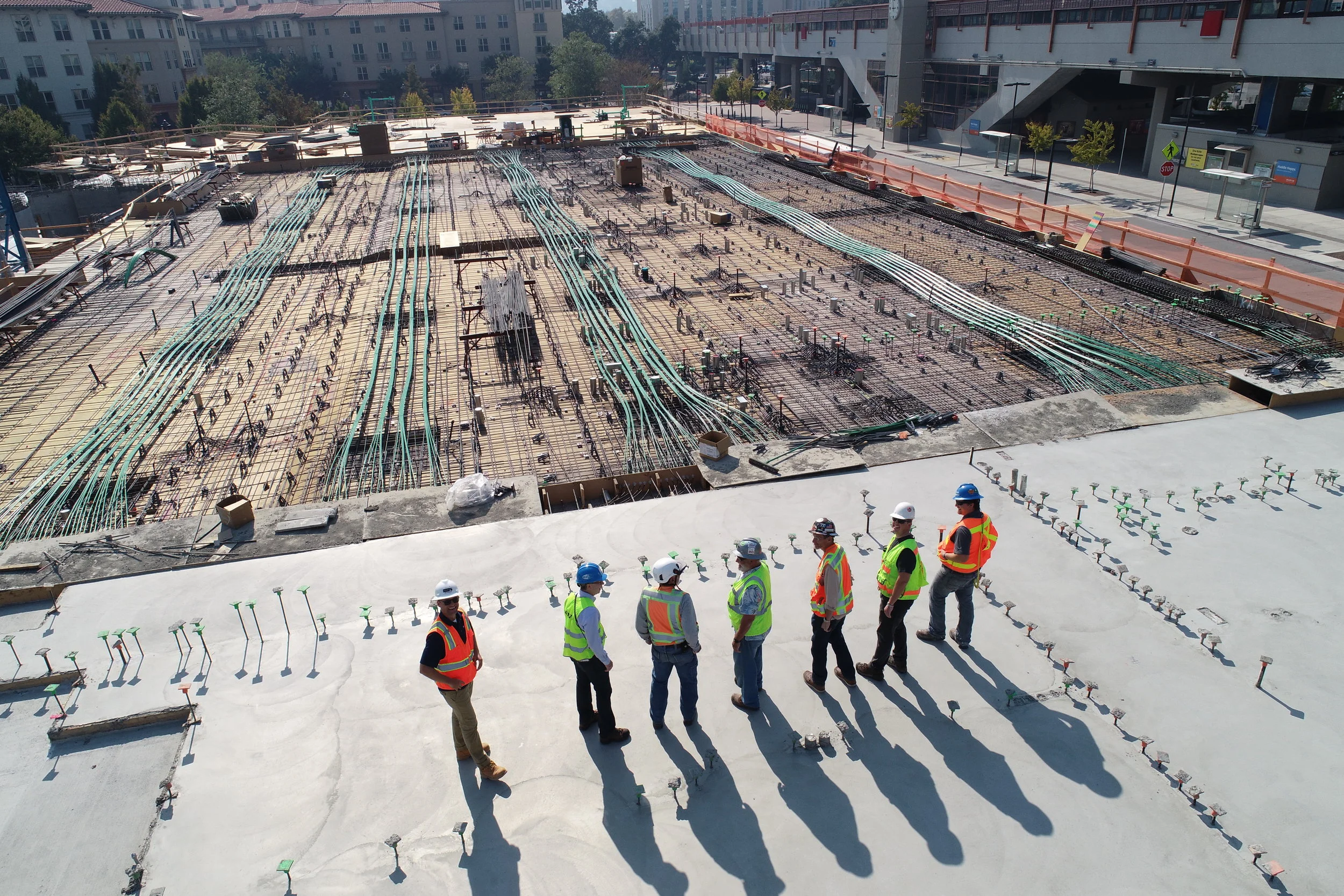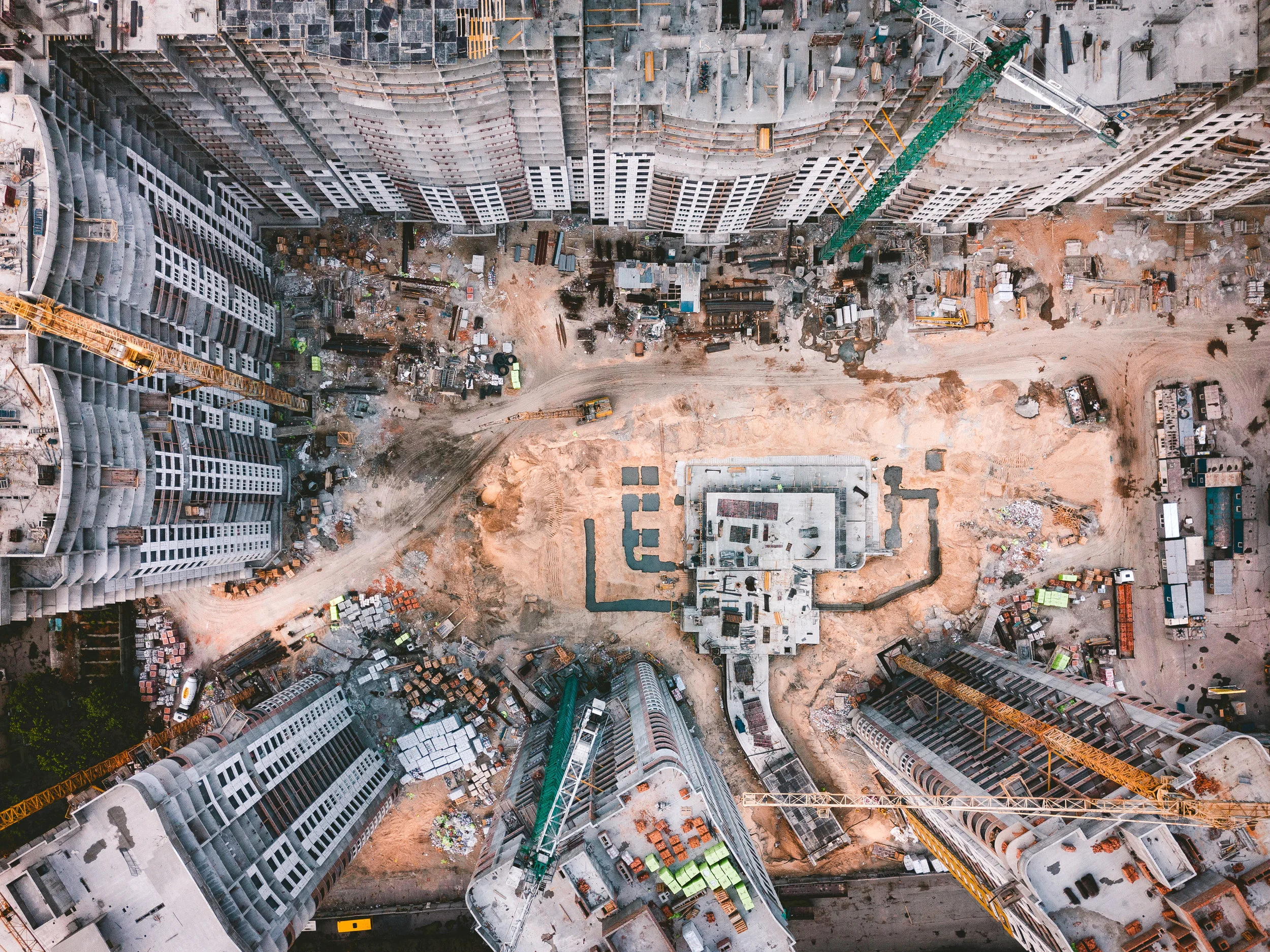
Progressive activists in San Jose often make the inaccurate claim that displacement is caused by new development. Recent data suggests that the solution to displacement isn't stopping new development; it's creating even more.
Read More
Progressive activists in San Jose often make the inaccurate claim that displacement is caused by new development. Recent data suggests that the solution to displacement isn't stopping new development; it's creating even more.
Read MoreCity Observatory analyzes the effects of a voucher demonstration conducted by the Chicago Housing Association in neighborhoods transitioning from lower to mixed-income dispersion. Even though some displacement is bound to occur, either directly or indirectly as a result of gentrification, individuals displaced from voucher public housing on average moved 2 miles from their previous public housing location, yet received long term economic benefits and opportunities.
Read MoreA recently published July article from City Journal analyzes a new Philadelphia Federal Reserve working paper that compares data on lower income residents in gentrifying neighborhoods from a large pool of census data from 100 U.S cities and other survey data points. The key takeaways are that both employment and educational opportunities improve for residents in low to mixed income neighborhoods that undergo an influx of newly college-educated or higher income residents.
Read MoreMany activists claim that an “invasion” of highly-paid high tech workers are destroying the housing market in San Jose and surrounding cities and callously displacing longtime residents. The data shows that this is a falsehood.
Read MoreRead National Review’s assessment of Oren Cass’ The Once and Future Worker here.
Read MoreThe increasing intrusion of city, state, and federal government into market activity makes some wonder if the progressive mindset is really retrograde in nature. Read Phil Gramm and Michael Solon in the Wall Street Journal here.
Read MoreDan Walters of CALmatters notes that state efforts to incent new housing will still run into a phalanx of government-inspired barriers:
“Even if land is made available via zoning, projects still must clear often fierce local opposition, particularly to high density development. Environmental impact reports, lawsuits, and refusal to supply water are among the tools often used to block projects.”
Read MoreAccording to the U.S. Burea of Labor Statistics, the rise in housing prices is limited to a handful of markets—California tops the list. Most U.S. housing markets are simply tracking inflation rates. Read an excerpt from Reason Magazine here.
Read MoreJ.K. Dineen in the San Francisco Chronicle notes that development of market-rate and affordable housing in San Francisco will slow to a trickle in 2019 because of higher construction costs, escalating fees, softening market, and increased interest rates. Builders are sitting on the sidelines as a result.
Read MoreChristopher Rufo at City Journal explores how the nexus of drug cartels preying upon opioid addicts and willful obfuscation on the part of city governments is exacerbating the homelessness crisis on the west coast.
Read MoreThe housing crisis is primarily due to a supply shortage, which has resulted in skyrocketing prices.
Until that supply shortage is resolved, no amount of taxing and spending will get us affordable housing for the middle class (who are already $11K/year underwater), much less the poor.
Read MoreMany small San Jose merchants and businesses complain loudly about the miles of red tape necessary to get licenses and accreditation from the city or state to run their businesses. Some governments are considering doing away with licenses for some small businesses altogether:
Read More