
Case study Lakewood CA: City gov't doesn't have to be a big employer
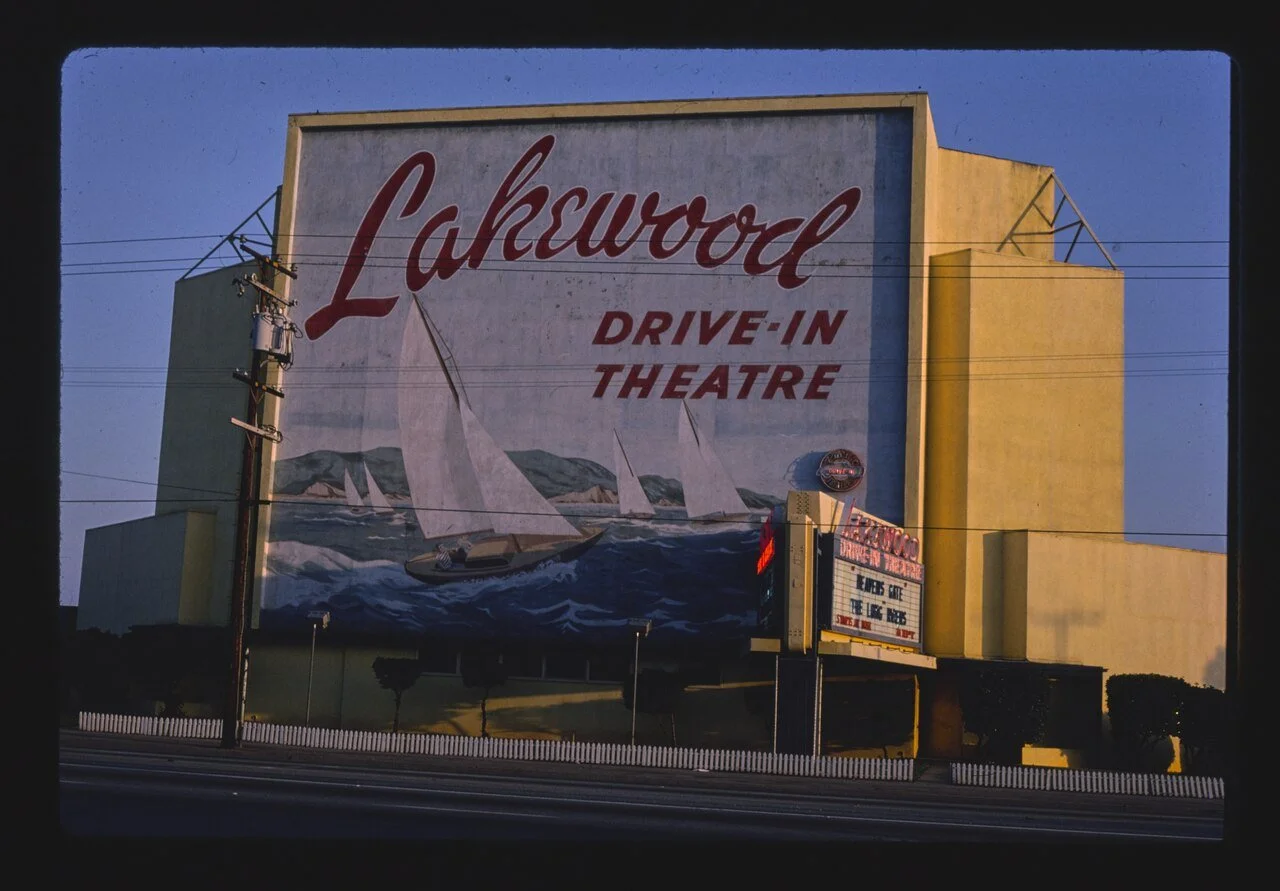
Rather than owning and operating departments like police, fire, or public works, the city of Lakewood acts as a corporate board of directors. The city council buys specific services (e.g., law enforcement, road maintenance, street sweeping) à la carte through intergovernmental or vendor contracts. Lakewood gov't website explains.
The Lakewood Plan shocked the staid world of local government in 1954. Today, a quarter of all California cities are Lakewood Plan cities.
Lakewood was the state’s first “contract city” when it incorporated in 1954. Today, every California city contracts for some services. But Lakewood – along with about 25 percent of all California cities – has
made contracting the core of its municipal operations. These cities – also called Lakewood Plan cities – provide most of their municipal services through contracts with county agencies and private industry.
Contracts with Los Angeles County still provide Lakewood’s services – law enforcement, street maintenance, and building safety inspection among them.
Fire and paramedic services are provided through a countywide special district. These are not contract services.
Special districts (not contracts) funded by county-collected property taxes provide fire protection, libraries, and waste water treatment. Schools are entirely separate from city government; their funding is
controlled by the state.
Lakewood contracts with private firms for information technology management, trash collection, traffic signal maintenance, street light maintenance, tree trimming, and street sweeping.
Unlike some cities, Lakewood has no special assessment districts for lighting or landscaping. Street lighting costs are paid entirely out of the city’s unrestricted revenue.
Parks, recreation and cultural activities, community development programs, the city's water utility, and general administrative services are provided directly by the city.
Lakewood's first contracts with the county were simple. For example, sheriff’s law enforcement services were provided in exchange for the new city’s court fines and forfeitures with no additional charge to the city.
The first months of contracting showed another positive side to the Lakewood Plan – its flexibility. The Sheriff’s Department in 1954 didn’t enforce traffic laws in unincorporated areas of the county. The California Highway Patrol did. But the commander of the Highway Patrol didn’t like the idea of contracting for traffic control. Faced with this new uncertainty, the city council turned to the Sheriff’s Department, which immediately agreed to provide traffic enforcement in Lakewood. It was the first of dozens of innovative solutions to Lakewood’s law enforcement needs.
Lakewood became the first “city by contract,” and that fact, coupled with the city’s phenomenal growth, generated enormous media attention. Suburban communities in Los Angeles County saw contracting as the
means to preserve local authority without the huge expense of establishing stand-alone police departments, building divisions, or sanitation units.
Besides, said many in local government, why should an increasingly urbanized Los Angeles County be run like a collection of rural towns? Why shouldn’t cities turn to a regional service provider like the county to give them lower-cost services than they could provide themselves?
The logic was compelling, and Lakewood wasn’t alone as a contract city for very long. By 1960, the principle of contracting had led to more incorporations in Los Angeles County. By 2020, about a quarter of California cities – and not all of them new suburbs – were contracting for all or most of their municipal services under local variants of the Lakewood Plan.
Read the whole thing here.
Follow Opportunity Now on Twitter @svopportunity
We prize letters from our thoughtful readers. Typed on a Smith Corona. Written in longhand on fine stationery. Scribbled on a napkin. Hey, even composed on email. Feel free to send your comments to us at opportunitynowsv@gmail.com or (snail mail) 1590 Calaveras Ave., SJ, CA 95126. Remember to be thoughtful and polite. We will post letters on an irregular basis on the main Opp Now site.