Yolo County commentary: Zero bail makes zero sense for public safety
During the pandemic, CA established zero dollar bail for misdemeanors and lower-level felonies, citing the health risks of overcrowded jails. Though recently dropped by SCC, zero bail still finds champions in locals who claim socioeconomic equity (while denying safety consequences). Mike Luery’s KRCA article explains how two inimical CA’n felons were empowered to “continue on their criminal path”—to grand theft, sexual battery, and gun charges—due to lack of bail.
Read More
EDD reform is possible: CA UI system case study
Michael Bernick, former director of the California Employment Development Department, analyzes the UI system and bureaucratic problems uncovered during the COVID-19 pandemic. Newsom’s “Strike Force” identified recommendations that were then successfully implemented, decreasing backlogged claims. However, continued “vigorous” action is required, says Bernick.
Read More
Claim: Zero carbon emissions not a zero-consequences approach for automobile industry
Zealous “green” energy legislation will (in a stroke of irony) make manufacturing electric vehicles near-impossible, says energy consultant Ronald Stein. Many materials required for EVs are sourced from crude oil derivatives, which will be slapped with an illegal label under Gov. Newsom’s mandate. Plus, tightened environmental regulations across the world currently constrain the lithium mining market (without which EV batteries can’t function). Might CA’s non-renewable moratorium mean a “death spiral for the automobile industry”?
Read More
Watchdog group finds trouble in Liccardo's rosy State of the City pitch
Pat Waite, president of Citizens for Fiscal Responsibility, notes budgetary irresponsibility is creeping back in SJ--this time in the form of grandiose ideas about a futuristic airport connector and SJ's own public utility organization. Citizens, beware.
Read More
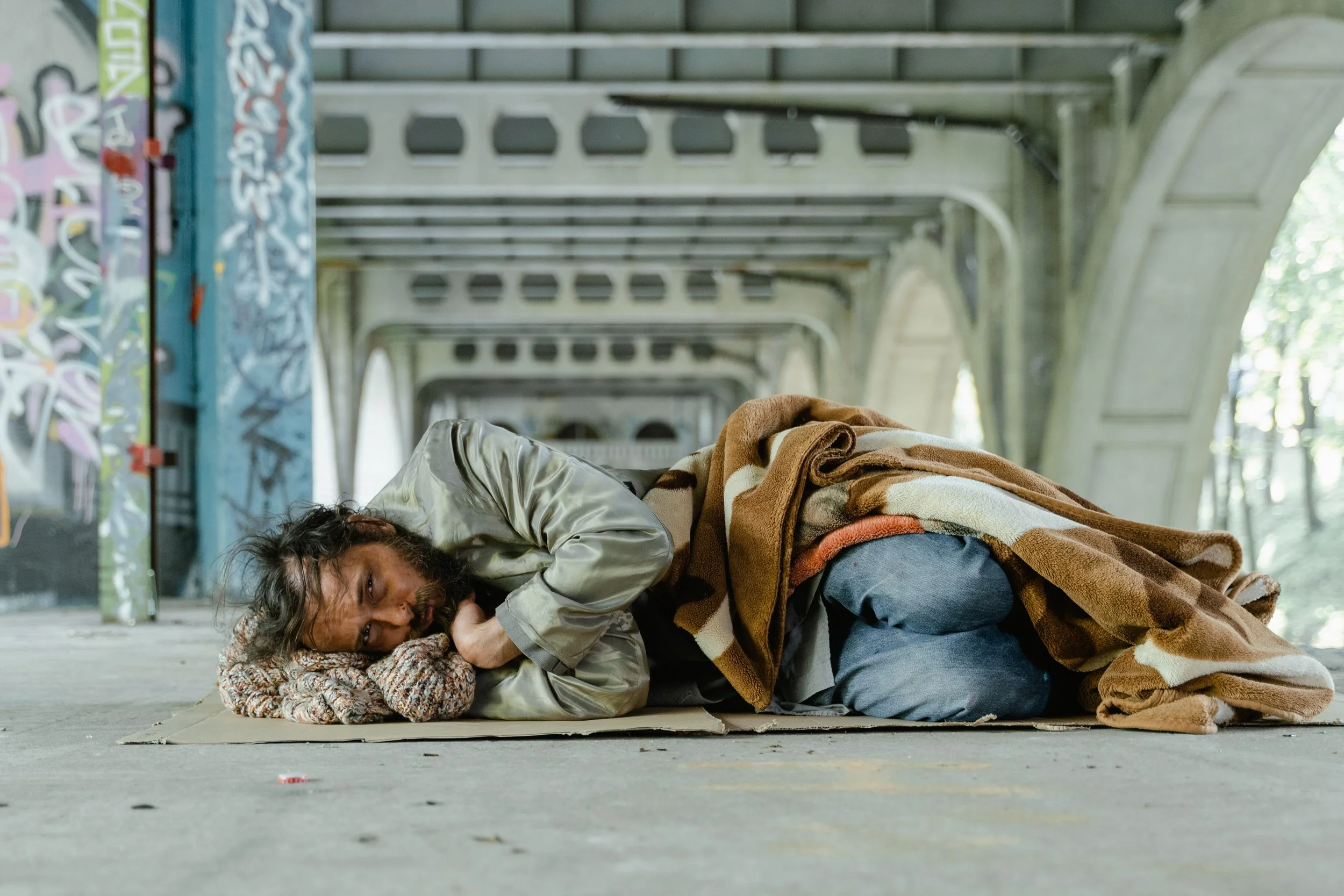
Housing expert says: San Jose—lots of homeless spending, still-soaring homelessness
Silicon Valley and other parts of California must find alternative solutions to address its growing homeless crisis, suggests Market Urbanism Report founder Scott Beyer. An Opp Now exclusive.
Read More
Prickly Patricia Gardner misfires in rant about nonprofits
Anyone who's worked in a mix of government, nonprofit, and business jobs knows that each sector is different, and provides its own strengths and weaknesses. Irene Smith, D3 council candidate, made the same point in a forum with her opponent, Omar Torres. But thin-skinned nonprofit veteran Patricia Gardner took bizarre offense in the Letters section of the Merc, sadly proving the point she was purportedly trying to oppose. The Opp Now team unpacks her twisted logic, below.
Read More
Analysis: Why SCC progressives heavily prioritize school board elections
In an exclusive conversation with Opp Now, the California Policy Center’s Jackson Reese gets to the root of the SCC Democrats’ recent letter on school board candidates that they label as dangerous. Reese identifies how liberal-leaning school boards fund teachers unions, which fund the Democrat party—together keeping state gov’t overinflated and progressive.
Read More
SJ’s deregulated tiny home market to boost home ownership?
Scott Beyer of Market Urbanism Report confirms why tiny house construction must be accessible for developers — a timely issue, as the city of San Jose now allows tiny homes on wheels (THOWs) as of 2020. In a city short on supply and high on costs, tiny homes afford everyday residents the opportunity to purchase a home, debt-free.
Read More
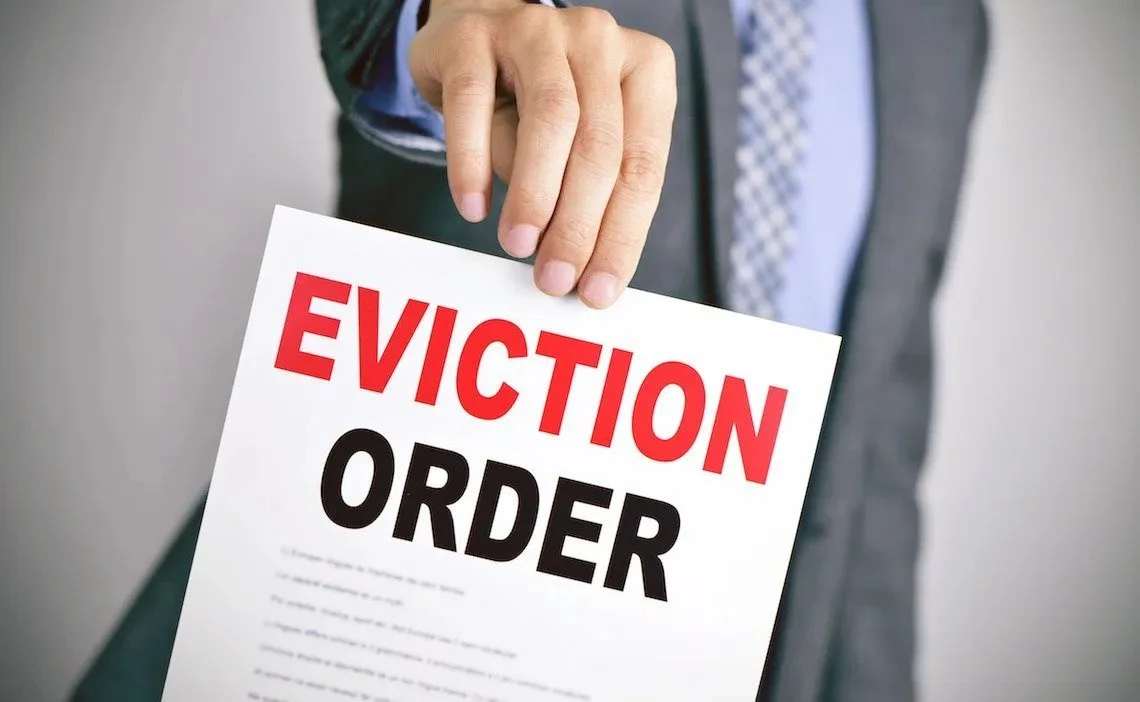
BAHN: Alameda County’s eviction moratorium unjust, jeopardizes “mom and pop” landlords
Alameda County’s eviction moratorium, implemented during the pandemic and extended this year by way of AB 2179, has been broadly disputed by property owners — and is currently being sued by five Bay Area housing providers. Writing to the ALCO Supes on “this economically, socially, and morally irresponsible rule,” the Business and Housing Network (BAHN) warns that ordering landlords to retain non-paying tenants is pushing hardworking local businessowners into bankruptcy.
Read More
Equity unattainable in and outside of the home, says racial justice expert
Kevin McGary—President of Every Black Life Matters, Chairman of the Frederick Douglass Foundation of California (FRED)—addresses why the well-intentioned idea of equity cannot inform local public policy decisions, as advocated by SJ’s Racial Equity Action Plan. If it’s impossible to secure equal outcomes within one’s family, what’s the point of demanding it in the workplace and society more largely?
Read More
Analysis: To reverse local city exoduses, ditch onerous housing regulations
Post-COVID, remote work rates have skyrocketed, many Californians now preferring to be “on the clock” in their own homes. Recently, SJ and SF were even rated #5 and #7 in the nation for remote work-friendly cities. On the flipside, Arpit Gupta points out the fiscal consequences of an increasingly remote workforce. He suggests that strategically deregulating zoning and housing construction could turn things around for local metropolitan attrition statistics.
Read More
Investigating the “black hole” of local public teacher salaries
Educational commentator Larry Sand breaks down how U.S. education is better funded than our military, yet over 80% feeds into teacher/admin salaries. While many believe public teachers are underpaid, says Sand, the data demonstrates the opposite phenomenon. For instance, by the most recent data, SJUSD teachers earn, on average, over $122,000/year including benefits — a far cry from poverty.
Read More