Equity unattainable in and outside of the home, says racial justice expert
Kevin McGary—President of Every Black Life Matters, Chairman of the Frederick Douglass Foundation of California (FRED)—addresses why the well-intentioned idea of equity cannot inform local public policy decisions, as advocated by SJ’s Racial Equity Action Plan. If it’s impossible to secure equal outcomes within one’s family, what’s the point of demanding it in the workplace and society more largely?
Read More
Analysis: To reverse local city exoduses, ditch onerous housing regulations
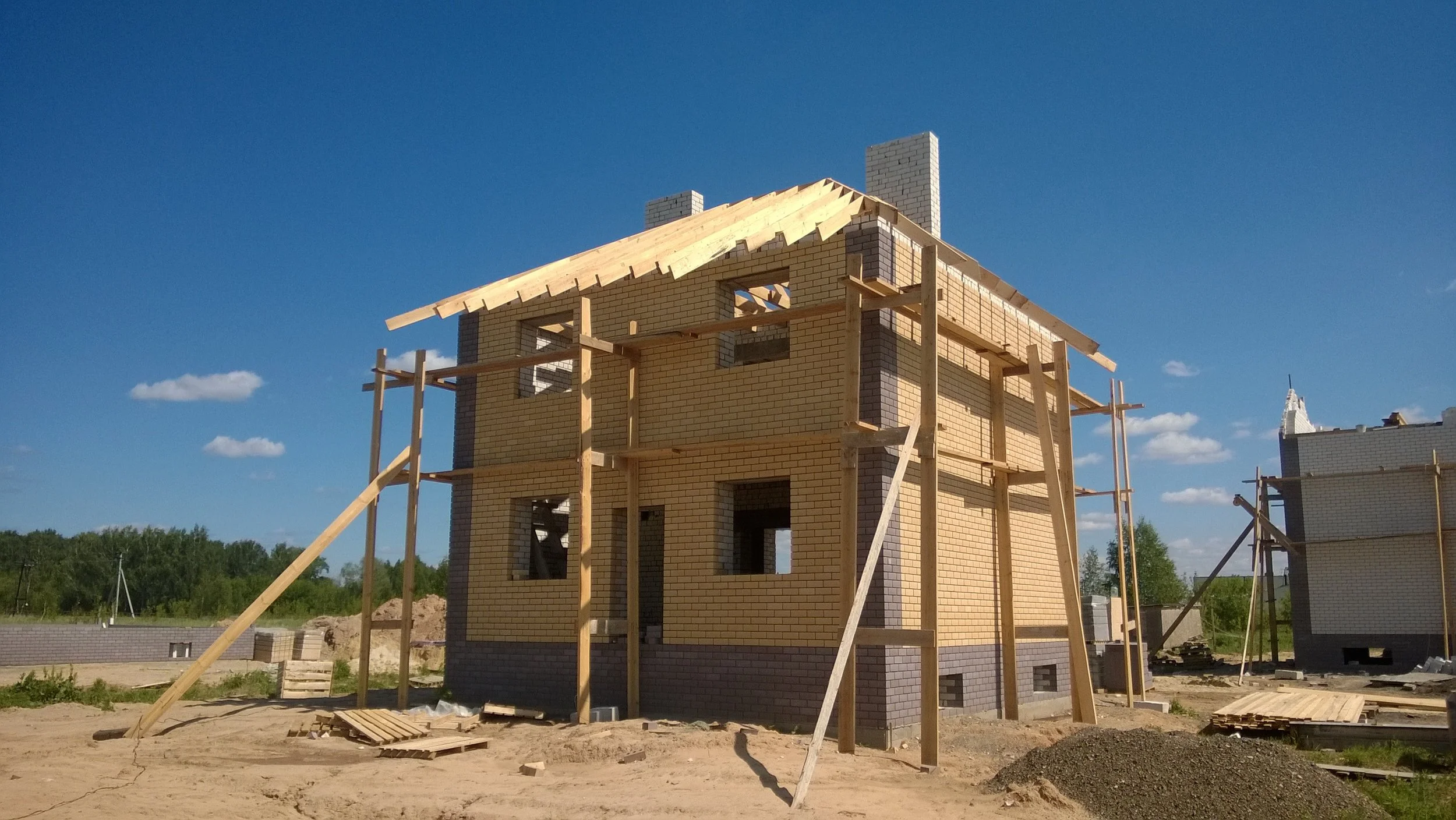
Post-COVID, remote work rates have skyrocketed, many Californians now preferring to be “on the clock” in their own homes. Recently, SJ and SF were even rated #5 and #7 in the nation for remote work-friendly cities. On the flipside, Arpit Gupta points out the fiscal consequences of an increasingly remote workforce. He suggests that strategically deregulating zoning and housing construction could turn things around for local metropolitan attrition statistics.
Read More
Investigating the “black hole” of local public teacher salaries
Educational commentator Larry Sand breaks down how U.S. education is better funded than our military, yet over 80% feeds into teacher/admin salaries. While many believe public teachers are underpaid, says Sand, the data demonstrates the opposite phenomenon. For instance, by the most recent data, SJUSD teachers earn, on average, over $122,000/year including benefits — a far cry from poverty.
Read More
Perspective: CA’s by-right housing policies disempower local communities
Public policy expert John Maniaci breaks down the Golden State’s abundance of by-right housing measures, through which specially designated housing projects can cut through the public approval process. While well-meaning, Maniaci posits that such laws constrain local leaders’ ability to decide what works for their community. For cities across CA, should Sacramento pols be calling the shots from afar?
Read More
San Jose Unified board candidates unpack district’s abysmal achievement stats
In SJUSD’s only true election this cycle (Brian Wheatley will be appointed in lieu for a second term in Area 4), incumbent José Magaña and challenger Andres Macias are running for Area 2 San Jose Unified board member this Nov. In the first of a two-part series for Opp Now, Magaña and Macias address SJ schools’ academic attainment problems, and their approaches to student success.
Read More
Rent control: Another smokescreen to raise taxes?
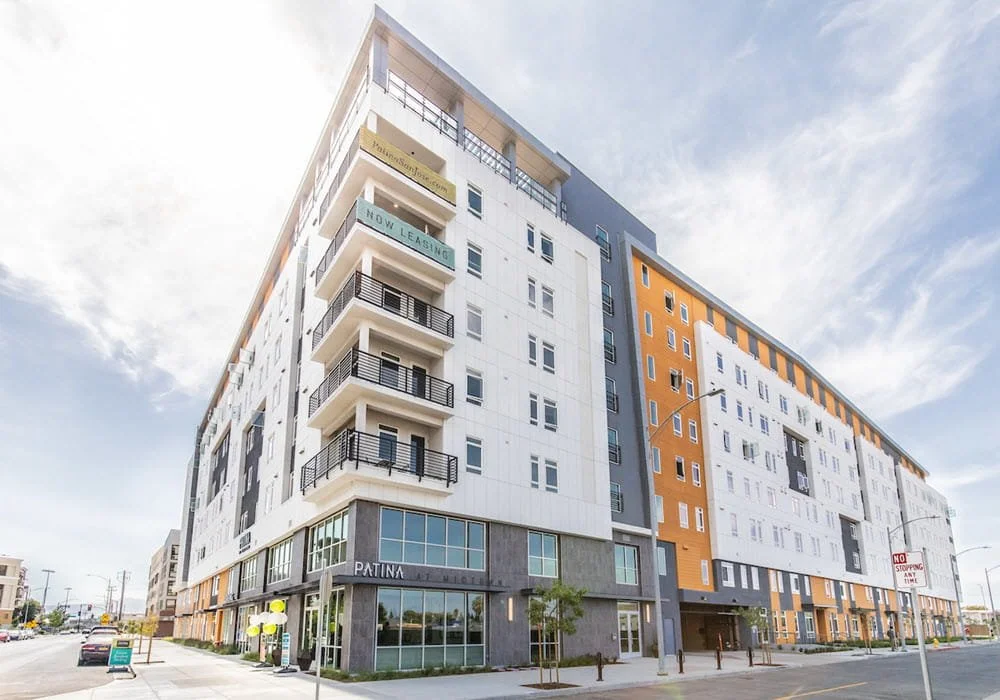
Experienced consultant Timothy L. Coyle breaks down how rent control further worsens California’s housing crisis. Though advocates intend and claim the opposite, rent control—dominating local cities’ ordinances, such as SJ—leads to housing scarcity and unaffordability for local residents. Proposition 21 may have been rejected in 2020, but the battle is far from over, says Coyle.
Read More
Housing First can never keep up with endless demand, says policy analyst
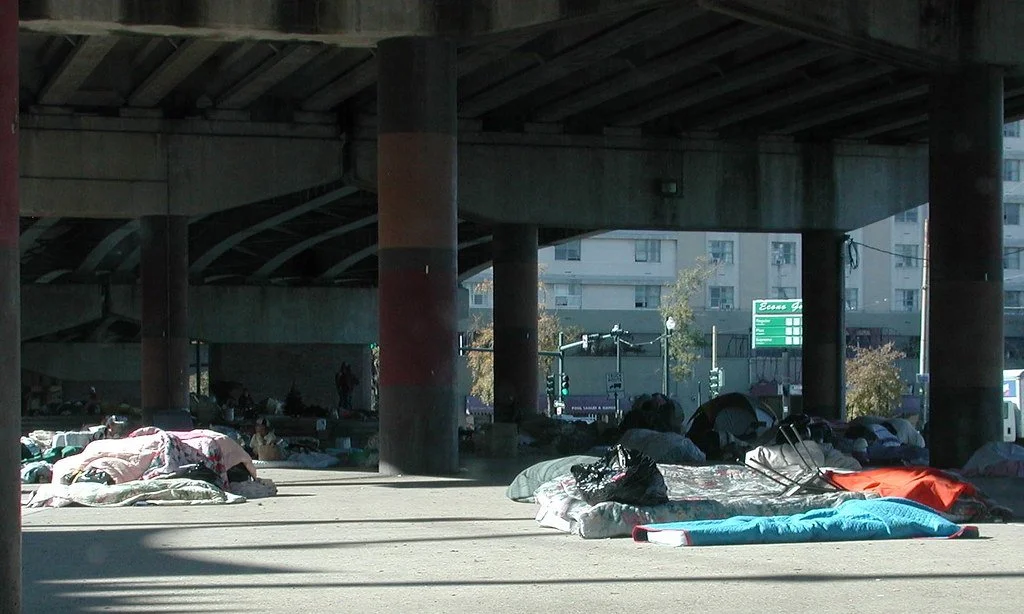
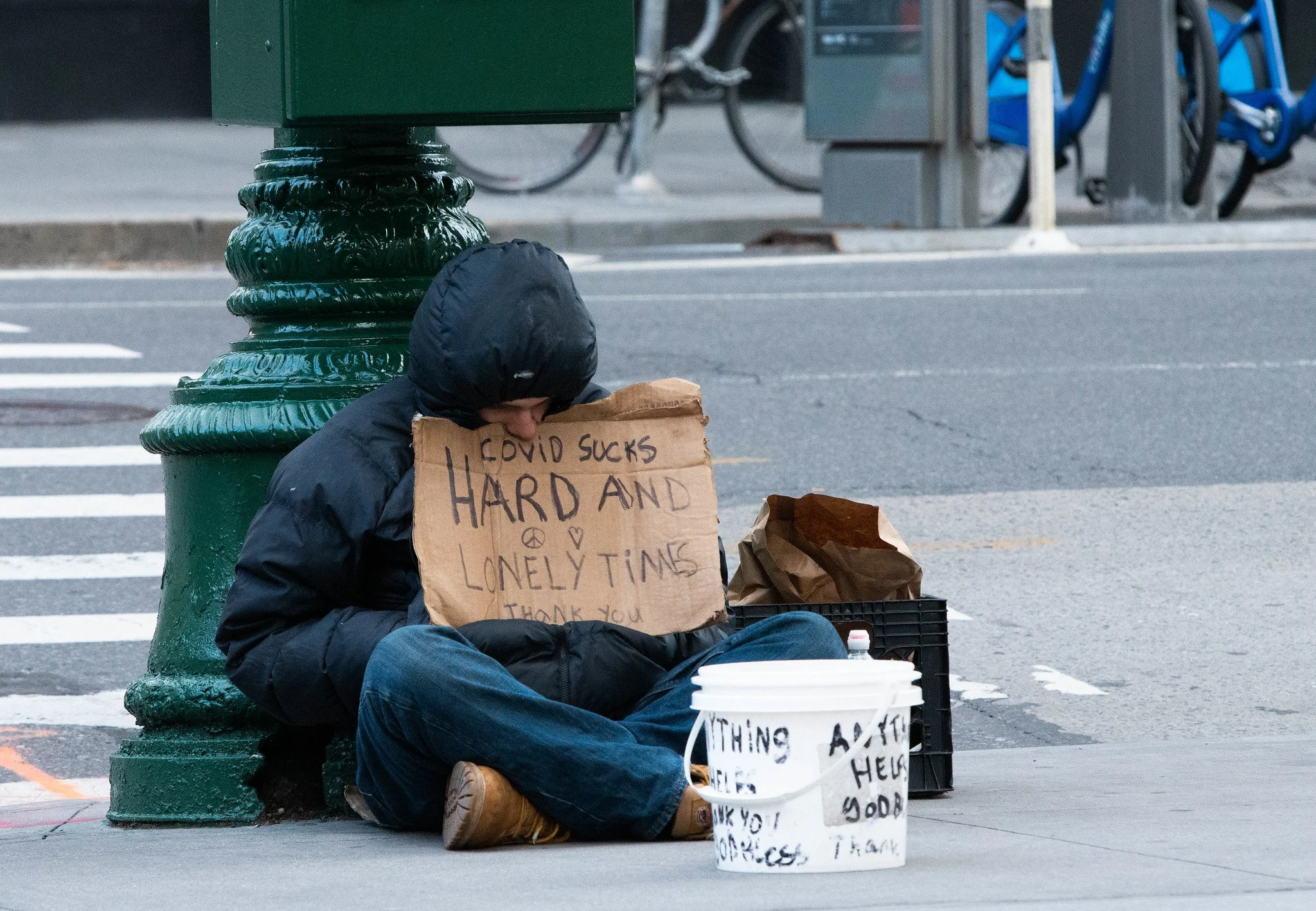
Is it not a logical stance—poses Edward Ring of the California Policy Center—that building thousands of expensive local units to offer locals without preconditions, without costs, without barriers, is an unsustainable model? In the Epoch Times, Ring thoughtfully critiques the Housing First approach to the homelessness epidemic, rebutting claims made in the SJ Spotlight this August.
Read More
CA’s Employment Development Department operates inefficiently on purpose?
News analyst Chris Reed scrutinizes the Employment Development Department’s (EDD) phlegmatic responses to unemployment claims during the pandemic. Though widely excused based on COVID’s elevated claims, Reed demonstrates that the EDD’s indolence is actually common during regular claim spikes; and they have long resisted technological advancements and efficient practices so that the EDD can maintain government jobs—and their accessory union dues.
Read More
Jackson Reese: “Parents rights” more than a buzzword for local school board candidates
An article published by the SCC Democrats contends that school board candidates backed by a local Republican group employ slippery political “codewords,” including “parents rights.” Jackson Reese of the California Policy Center investigates this assertion and what progressives have to gain from espousing it.
Read More
Khamis schools critics of CARE Court
Gov. Newsom finally took action to help the state's mentally ill and unhoused population by signing into law CARE Court, which creates a legal mechanism that can require mental health treatment for the severely mentally ill. County Supervisor candidate Johnny Khamis answers the misguided criticisms of the CARE Court offered by local progressives (Representative Ash Kalra and Supervisor Susan Ellenberg) in an Opp Now exclusive Q and A.
Read More
Opinion: School choice policies can reverse COVID governance’s tolls
Dan Lips, Head of Policy at the Lincoln Network, outlines in a National Review article why myriad states are expanding parents’ educational rights post-pandemic: After widely failed local lockdowns (which led to astronomical learning losses in students), parents are questioning public schools’ credibility and wanting accountable oversight. Arizona’s newly-created educational savings accounts (ESAs), as an example, should inspire similar policy advancements in states like California, asserts Lips.
Read More
Controlled local rent cripples housing development, says BAHN
The Business and Housing Network (BAHN) critiques the State’s “draconian” Housing Element policies in their latest letter. While purportedly designed to “provide opportunities for (and do not unduly constrain) housing development,” BAHN points out that California’s rent control laws—mirrored in cities like SJ—severely inhibit housing providers and offerings.
Read More