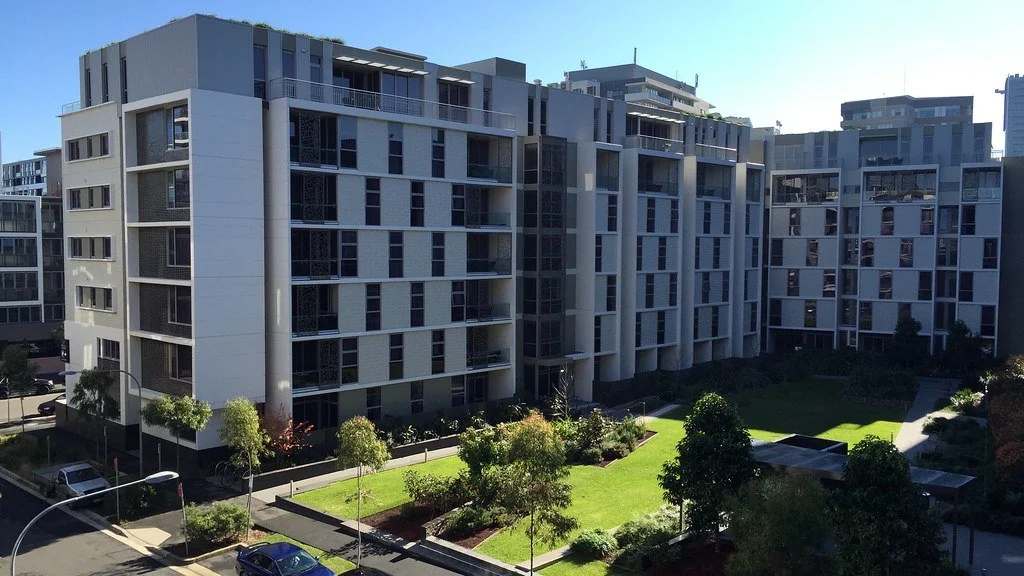
Who are the urban villagers?
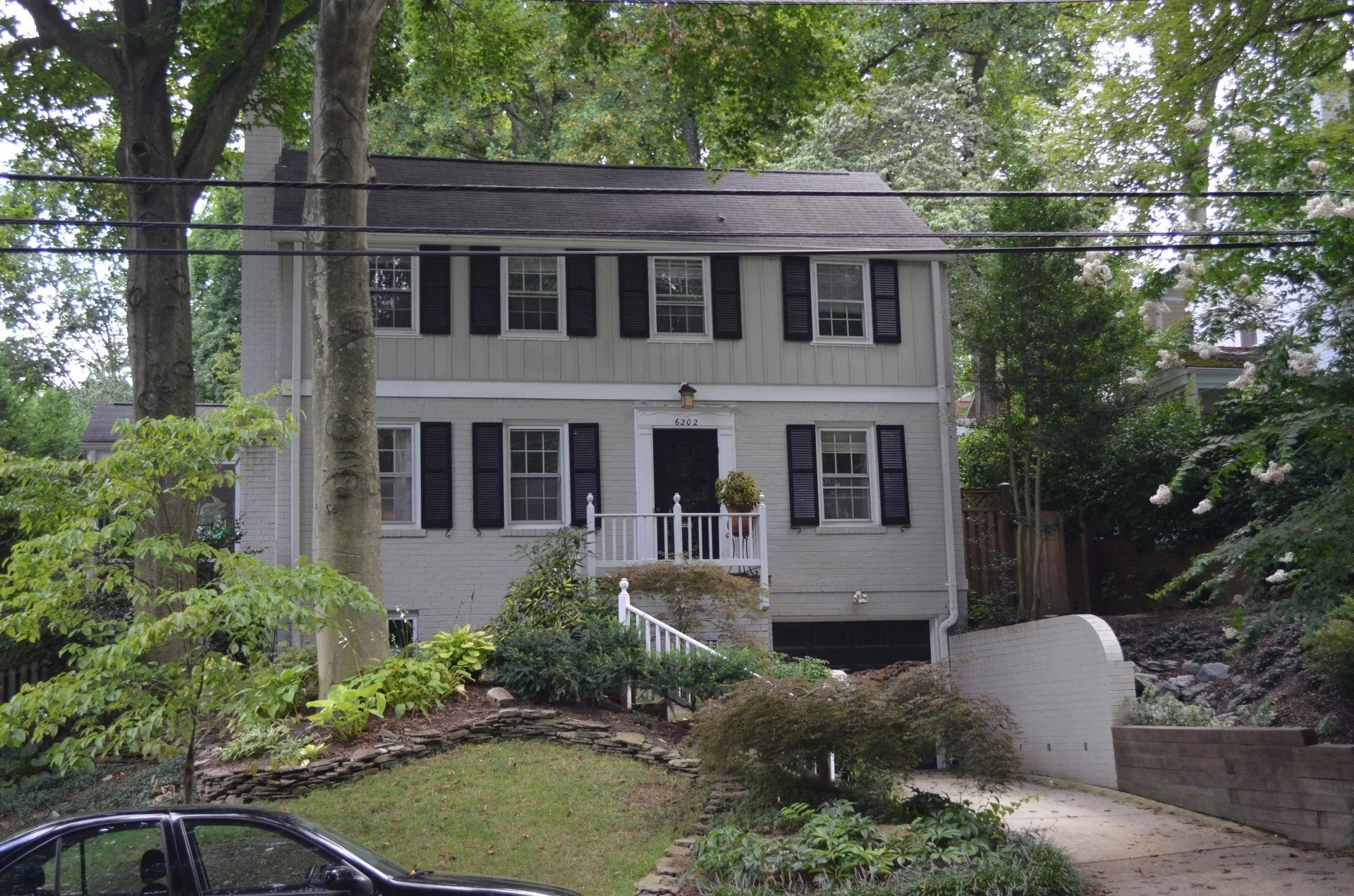
San Jose’s General Plan is the urbanist’s Field of Dreams. They’ve told themselves, “If we plan it, they will come.” But will they? Long-time SJ community volunteer and local history enthusiast Tobin Gilman explores the assumptions underpinning this key planning question in an Opp Now exclusive. Gilman, actively engaged in city planning and zoning policy, recently relocated to Virginia but maintains deep roots in his hometown.
Read More
Newsom’s insistence on electric vehicles ignores environmental, human rights consequences
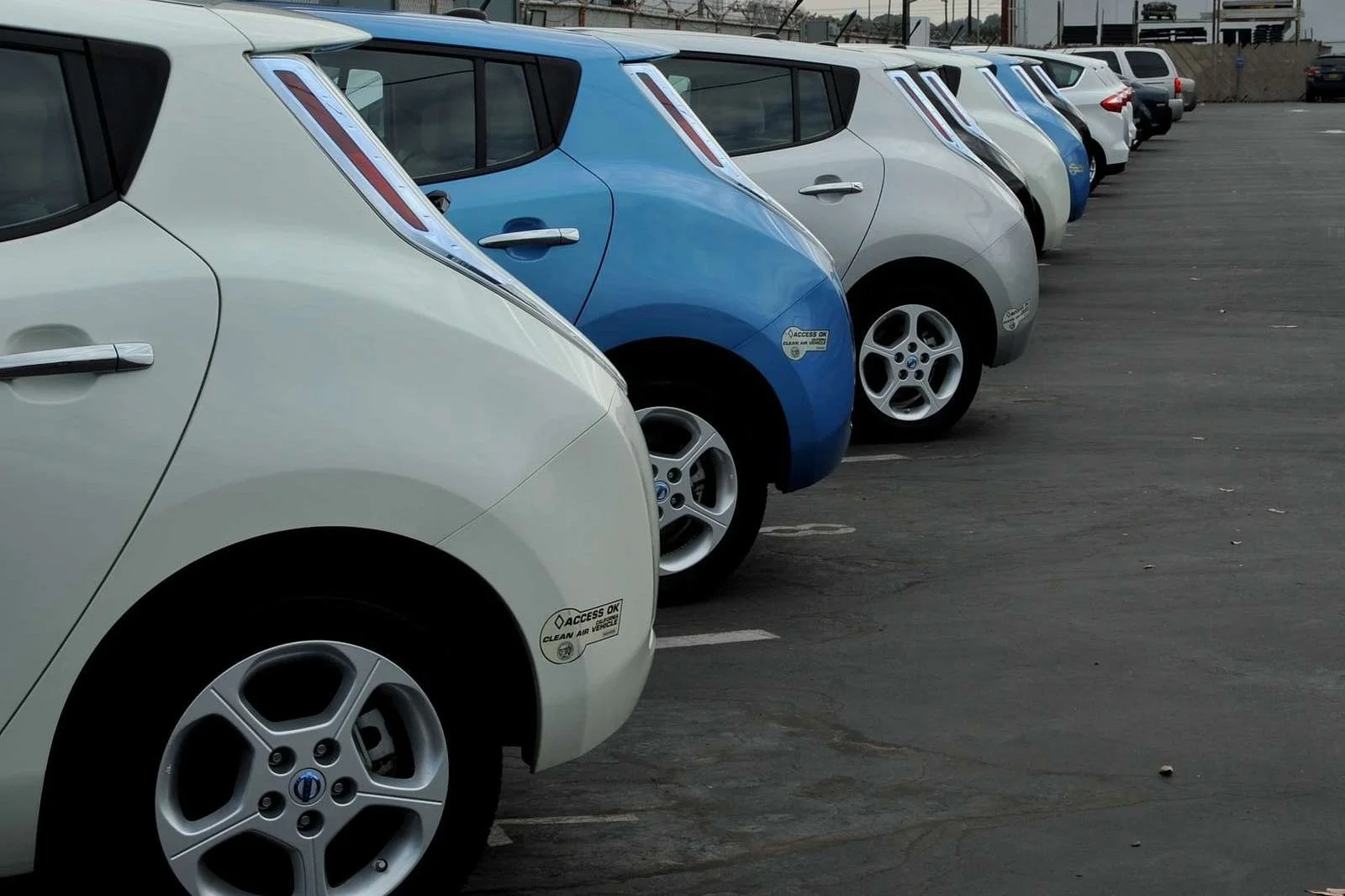
Gov. Newsom’s pushing “green energy” electric cars, but these vehicles aren’t as innocuous as they appear. Consultant Timothy L. Coyle explains electric vehicles’ dangers to the environment. For instance, over 50% of parts are made from plastic. Furthermore, most nickel, lithium, and manganese—key elements of electric car batteries—are sourced from countries that exploit child/adult laborers. How “green” and ethical are electric vehicles? Coyle asks.
Read More
Ex-Californians attribute their relocation to high taxes and housing costs
Over half a million residents and myriad organizations have fled California in the last few years. While commonly brushed off as a post-pandemic problem, Brandon Ristoff from California Policy Center purports that “The Exodus” began plaguing our state long before COVID-19 did—due to residents’ cited insurmountable taxes and housing expenses.
Read More
Take a free ride?
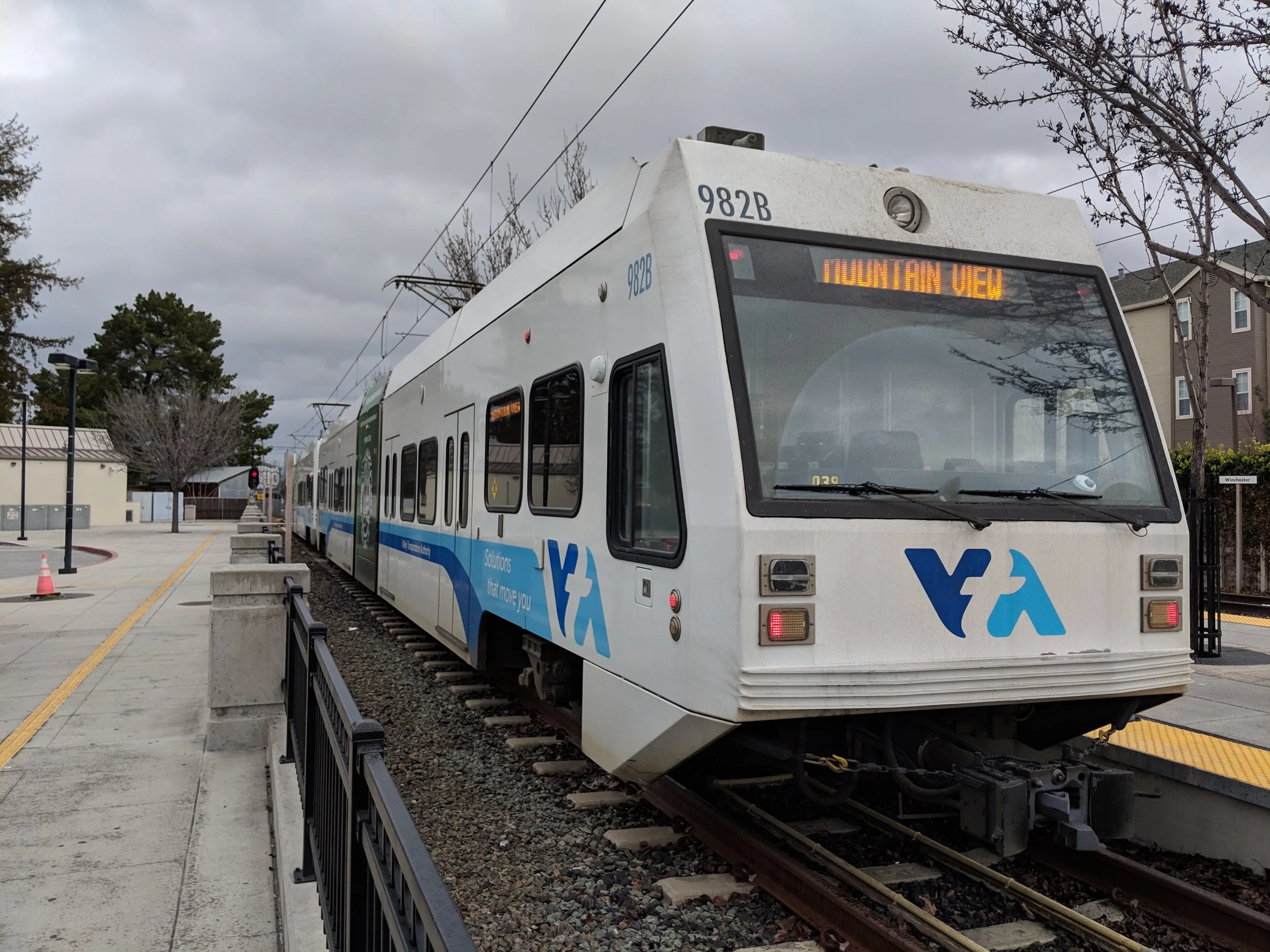
Free public transit is a relatively easy political platform to promote. Throwing in buzzwords like racial/socioeconomic equity and climate justice (though dubiously connected to free transportation), local legislators can often gain quick approval—and a pat on the back—in many communities. This year, touting CA’s supposed surplus, Gov. Newsom considered dedicating $750 million to sustain three months of free public transit statewide. However, transit experts and studies on existing programs are dubious about the realistic consequences of taxpayer-funded free rides. Various sources below.
Read More
Profile: Who’s buying electric vehicles now?
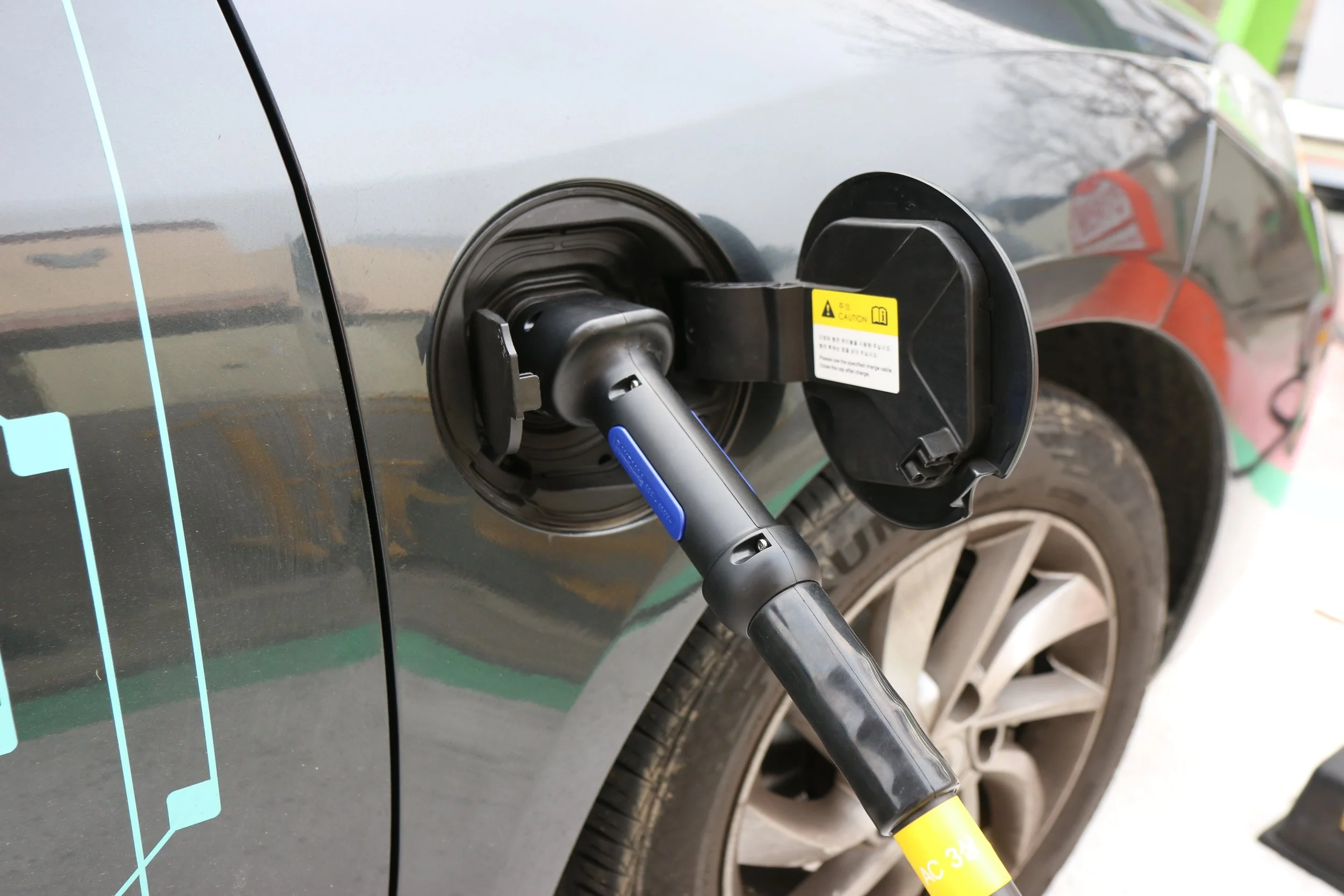
Barring potential legal battles against Newsom’s executive order, Californians will only be permitted to purchase electric vehicles starting in 2035. Energy consultant Ronald Stein highlights demographics of the typical electric car owner: extensive education, impressive income, and owner of multiple vehicles. If most current electric car owners rely on charging stations in their garage and use their other vehicles during bad weather spells, how will ordinary (and low-income) CA’n residents manage?
Read More
Fiscal watchdog group sees mixed bag in mayor's budget analysis
Pat Waite, president of Citizens for Fiscal Responsibility, agrees with Mayor Liccardo that our pension crisis has abated, but continues to blow the klaxon about the dangers of the City straying beyond its core responsibilities.
Read More
CRT’s racist, anti-facts propaganda threatens local school curriculum
Critical Race Theory states that America’s very foundation is discriminatory oppression; and to rectify past injustices, a broad systemic affirmative action regime should intrude into almost every facet of gov’t activity. Local school advocates have been pushing back on this extremist movement. Consultant Timothy L. Coyle deconstructs CRT, the “anti-racist” worldview made vogue by the 1619 Project/Black Lives Matter.
Read More
Sacramento case study: Low-barrier housing fails homeless long term
If Californian cities truly consider homeless citizens honored “guests,” wouldn’t they work to rehabilitate them instead of pushing short-term, accountability-free housing? The answer, says California Globe’s Katy Grimes, lies in pure politics: Costly development projects benefit legislators and their allies, while addiction and mental health treatment is challenging (and not as flashy) to implement.
Read More
Omen and opportunity: Jon Coupal and Scott Beyer talk political reads
In this installment of Opportunity Now’s favorite political book series, Howard Jarvis Taxpayers Association (HJTA) president Jon Coupal and Market Urbanism Report editor Scott Beyer highlight powerful reads that have both inspired and challenged them—depicting in fine lines the state of our nation, as well as possibilities of transformation through “ordinary citizens’” perseverance.
Read More
Protecting the virtual charter school option means championing CA’s youth: An exclusive interview
California’s charter schools serve 600,000+ children/year, roughly 10% of our state’s K-12 students (and in SCC, over 11%). Yet since 2020, CA EC Section 47612.7 has prohibited petitioning to create new charter schools, which face even further restrictions from proposed federal rules. April Warren—Head of Schools at California Virtual Academies—describes the advantages of fully-online charter schools, and why local parents’ choice is an important consideration when developing policy.
Read More
State budget doubled from 2012, but Californians irrefutably worse off
Edward Ring of the California Policy Center analyzes California’s 2022-2023 state budget, totaling a whopping $300 billion. Looking back ten years, 2012’s budget (adjusted for inflation) was less than half of this upcoming year’s budget. But are Californians better off for it, when we consider statewide/local spiked-up costs of living, crime and homelessness crises, and overregulated business markets?
Read More
Californian voters, beware: Lottery revenue hardly helps schools
Since a memorable 1984 campaign linked the lottery and public schools, many local Californians believe their gambling contributes to the educational system. However, the lottery system funds under 2% of our state’s education revenue. Columnist Joe Mathews corrects this misconception, exhorting that public school funding must directly serve students in Fox & Hounds Daily.
Read More