A cost-free approach to solving SJ's housing woes
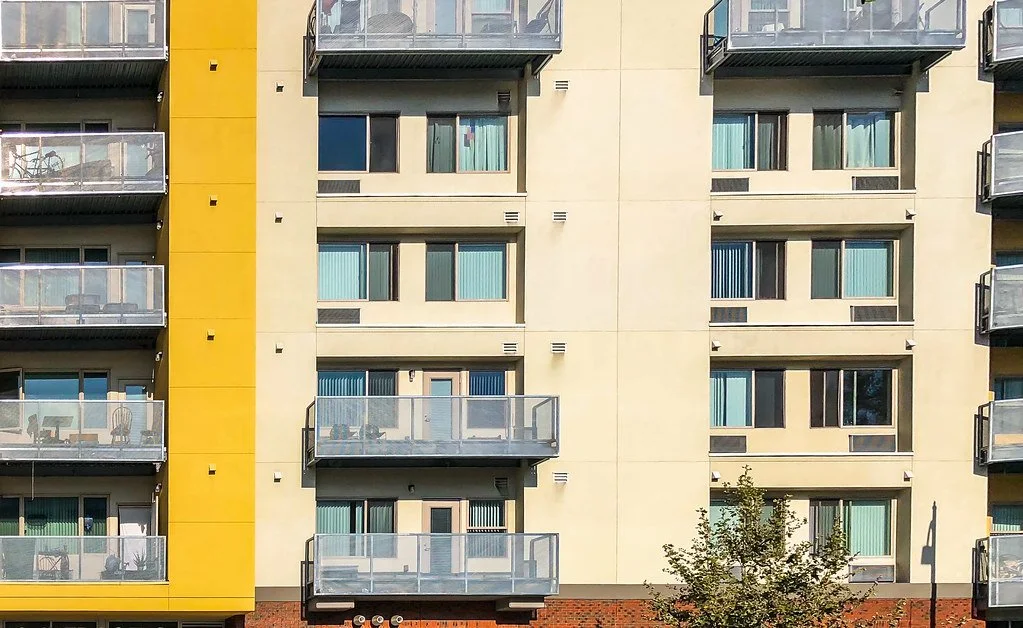
In the final installment of his exclusive three-part series about the local housing crisis, national housing expert Scott Beyer of the Market Urbanism Report explores the advantages of a strategy based on market forces. Previously, Beyer has examined how San Jose’s approach to fixing its affordable home crisis has included a mix of supply-side and demand-side subsidies, including tax credits, bond initiatives, rent control and more. Yet these policies have not prevented housing in the city and metro from being some of the nation’s least affordable. According to Beyer, the answer to increasing supply in San Jose is simple and largely cost-free to taxpayers: restore property rights and let the free market work. This means overturning certain laws that have now distorted land markets there.
Read More
Density and outfill should go together to solve housing crisis, say innovative planners
San Jose’s urban growth boundary has gone unchanged since the 1970s, effectively giving the city only one choice to increase housing: go up. It’s a costly, unsustainable model, as there's no way to build affordable housing on expensive land without absurd subsidies. There’s lots of cheaper land to the south in Coyote. Valley. But strangely, SJ treats the Urban Growth Boundary as some holy line in the weeds. Gubernatorial candidate Michael Shellenberger shows how to build out while conserving the environment in The Spectator.
Read More
How SJ's rent control, inclusionary zoning policies backfire
Scott Beyer of the Market Urbanism Report continues his exclusive analysis of SJ Housing woes. In Part 1, Beyer examined the negative effects of the supply-side solutions that San Jose has implemented to address its affordable home crisis. “Supply-side” means taxpayer-funded subsidies that let governments increase overall home supply. In Part II, Beyer discusses San Jose’s demand-side policies, which have an even worse effect. “Demand-side” means efforts the city takes not to increase supply, but to manage demand for units that already exist. These include policies to cool prices, such as rent control and inclusionary zoning; and policies to help individuals better afford housing, such as rental assistance.
Read More
Exercises in Persuasion: What the SJ council candidates’ statements tell us about political language
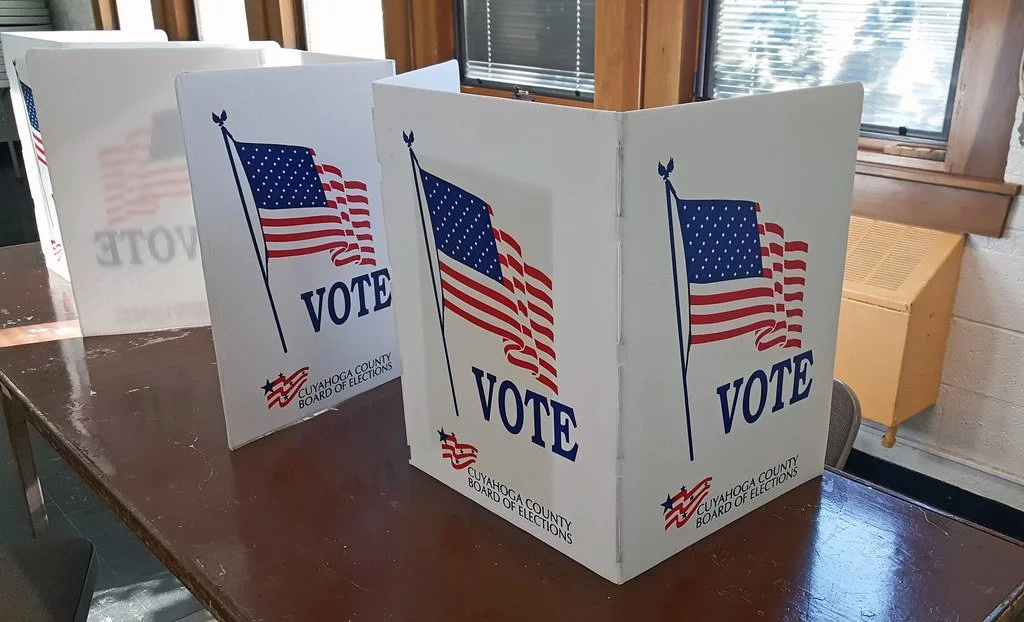
Let’s say you decided to run for San Jose City Council. You would have to submit a written statement of your qualifications. That’s all the official document asks for: qualifications. What can you say to convince voters that you’re “qualified”? The answer can take many forms, as professional linguist Dr. Alan Perlman discovered when we provided him with .pdf versions of the Candidate Statements for Public Examination, per Elec. Code § 13313. There were 21 statements of qualification and Perlman's analysis, an Opp Now exclusive, is below.
Read More
Progressive/nonprofit model of treating homelessness and addiction is “mistreatment of the foulest sort” say critics
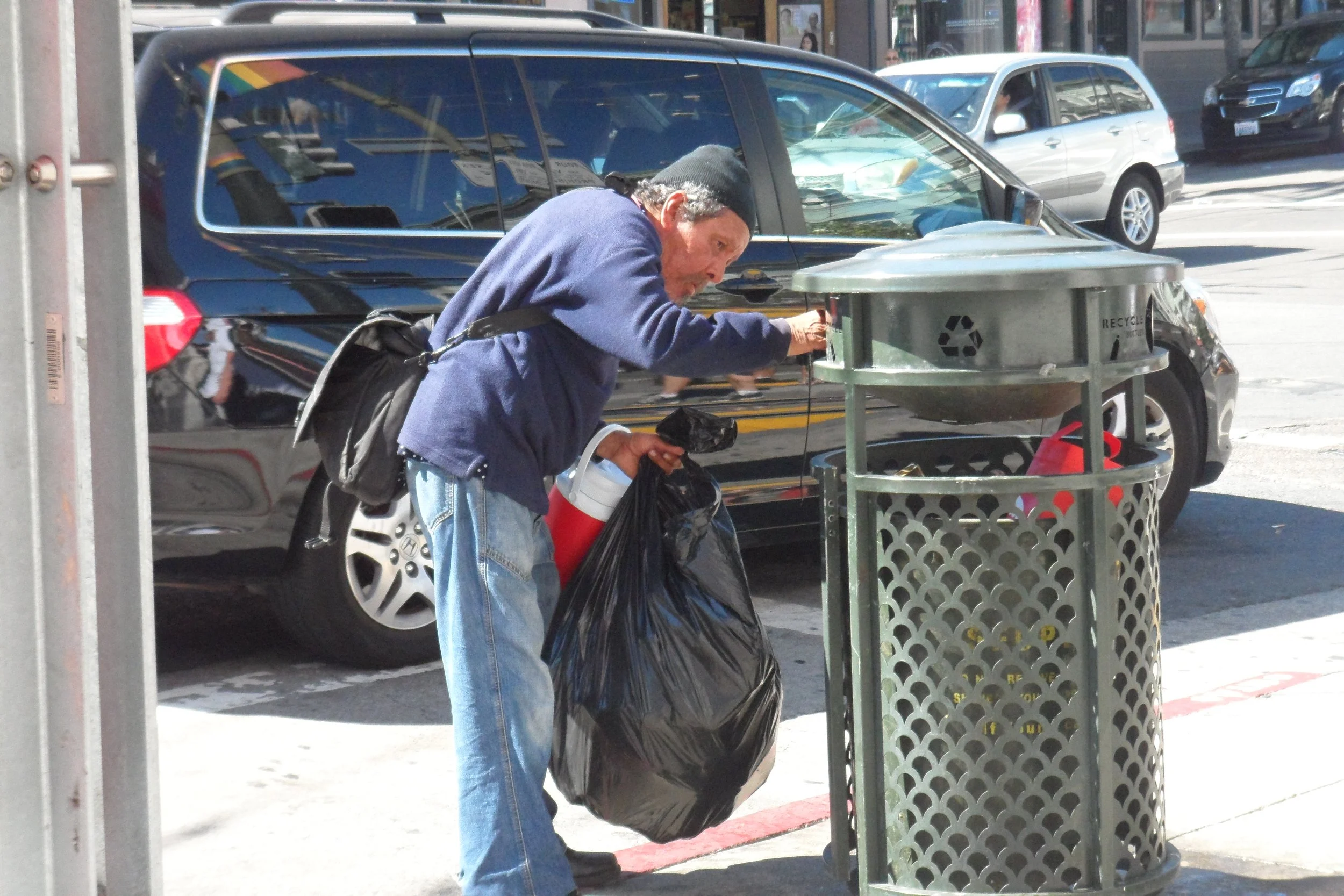
A mere 40 miles to the north, in the Tenderloin district of SF, city leaders, in their vast wisdom, have to decided to enable an unfettered and unregulated drug market. The market's main customers are, sadly enough, deeply afflicted homeless individuals with severe mental health and pre-existing addiction concerns. Independent gubernatorial candidate Michael Shellenberg is appalled, in the Spectator.
Read More
Khamis applauds Newsom's statewide proposal to increase mental health and addiction care
Former San Jose councilmember and current leading candidate for D1 County Supervisor Johnny Khamis has long pushed for increased services for our neighbors suffering from mental illness and addiction concerns. He finds a lot to like in Governor Newsom's new CARE proposal, which pushes more people with severe mental health and addiction issues into court-ordered treatment.
Read More
Living close to encampments: a candid perspective
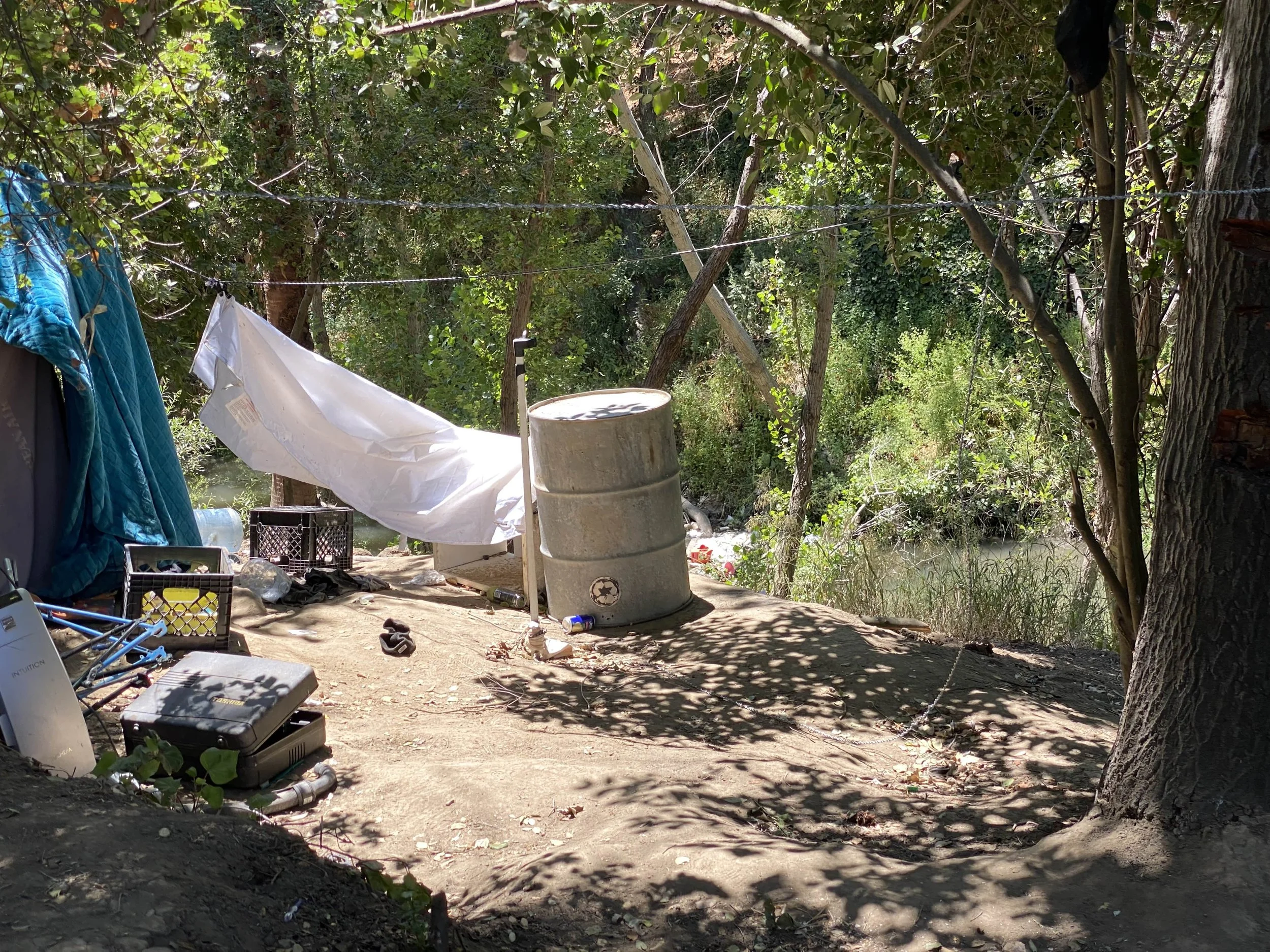
The Thousand Oaks neighborhood is in the Blossom Valley area of San Jose, bordered by Capitol Expressway, Pearl Avenue Branham Lane and the Guadalupe Creek. For residents in this neighborhood, the externalities associated with living close by homeless encampments are not an abstraction, they are a day-to-day struggle. The following is an excerpt of a letter from Thousand Oak Neighborhood Association president Ted Earle to local officials and describes the sad, broad, and dangerous realities of our local governments' failure to address homelessness.
Read More
How to make San Jose housing affordable
Scott Beyer, Founder of the influential Market Urbanism Report and author of the widely respected book: Market Urbanism, A Vision for Free Market cities, is a leading proponent of classical liberal reforms to address the national housing crisis. In Part I of an exclusive 3-part series for Opportunity Now, Beyer begins his analysis of San Jose's current policies, and what needs to change.
Read More
“California is doing just fine” for billionaires, but economic stagnation and ridiculously high taxes are shoving out the middle class
Journalist Kerry Jackson uses Census Bureau data to pinpoint why Californians are moving to other states. The state’s exorbitant taxes, low job growth, and poor business climate can only retain the wealthiest populations. Billionaires pervade California and likely won’t leave—but the middle class has no choice.
Read More
The Mysterious case of the delayed COPA program
San Jose’s proposed COPA* legislation has been significantly delayed until later this year--and city staff's claim that the delay is due to sudden staff shortages is raising eyebrows. Is something amiss? Local property owner Dean Hotop provides the background to the backtrack and sees an opportunity for SJ City Council to use the delay to readdress its affordable housing strategy, which has been a bust.
Read More
LAPD case study: how police budget cuts escalate local crime
Political commentator Joel Fox highlights how Los Angeles’ police budget cuts increased violent crime and disproportionately endangered minority families. This case study shows that financially weakening local police forces also weakens communities—a far cry from rose-colored claims from local activists about what happens when you defund the police.
Read More
Understanding why City of SJ's citizen outreach efforts don't deliver real input
According to City research, most San Jose residents think that local government doesn't respond to citizens' priorities. Perhaps a contributing reason lies in the outreach programs favored by City staff, which tend to result in lots of meetings with pre-picked advocates, and little discussion with real stakeholders. Jonathan Fleming, CEO and Executive Director of the Silicon Valley Public Accountability Foundation provides a primer on how the process is supposed to work, and where it's gone wrong. An exclusive Opportunity Now interview:
Read More