
Why local gov't funding of housing backfires
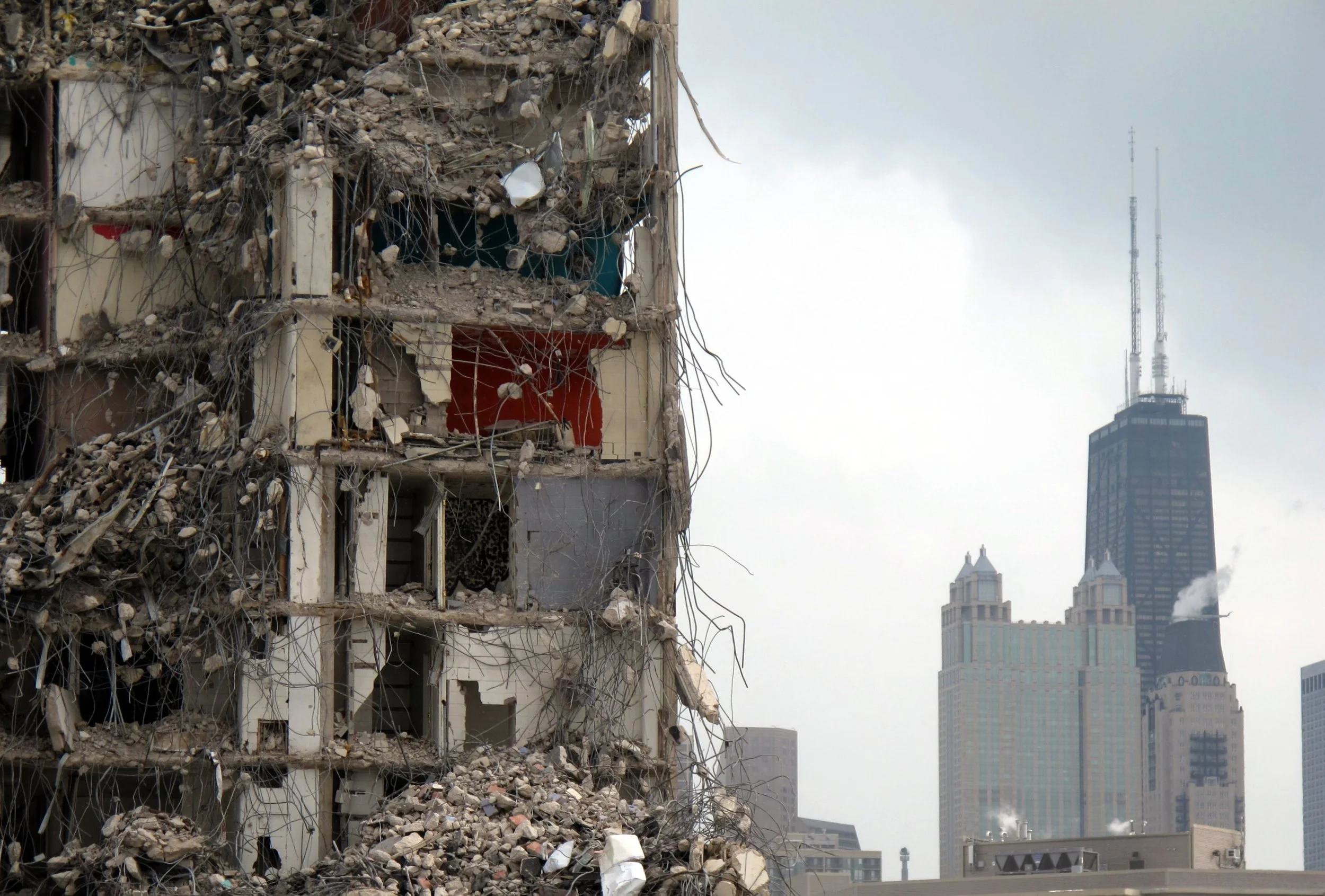

As SJ and other Silicon Valley cities aim to increase public investment/ownership in so-called affordable housing, Steven Malanga at City Journal reminds them that misguided gov't policy is at the core of our housing affordability crisis.
Government-led affordable housing tends to be pricey and cumbersome to construct, and it ignores a main source of our housing difficulties: local government rules that make it increasingly unprofitable for the private sector to construct homes efficiently and quickly.
That supply-side failure, reinforced by misguided federal fiscal and monetary policy that drove interest rates up in early 2022, has produced the current predicament. Reforms that let builders build more—especially as interest rates fall—should be a far greater priority than unwieldy government housing projects that burn tax dollars, tie up construction jobs, and have logged a long history of grand promises, underperformance, and fraud.
Advocates for the taxes argue that private developers focus too much on luxury homes. But the real culprit for the high prices is that housing production in many communities cratered. The collapse started more than a decade ago and has hit prices up and down the scale.
The immediate cause was the 2008 meltdown in America’s mortgage industry. Government pressure on lenders to weaken underwriting standards, and thereby expand homeownership, helped trigger the disaster, as many people took on mortgages that they couldn’t repay.
But thickening local building barriers—especially zoning that limits many forms of residential construction—made matters far worse. One recent study found that big cities that restricted denser housing imposed a steep “zoning tax” that constrains the supply, and inflates the overall price, of new housing. That tax climbs as high as $500,000 per acre in New York City, $400,000 in San Francisco and Chicago, and $200,000–$300,000 in Seattle and Philadelphia.
The housing implosion is truly eye-opening. For ten years, starting in 2009, U.S. builders erected only about 860,000 new units annually, compared with 1.7 million yearly in the decade pre crisis. That left the country with 5 million–8 million fewer units than it might otherwise have had available. Even after the recovery began, housing production stayed well below what the nation averaged in the 30 yearspre-2009.—Steven Malanga, City Journal
Follow Opportunity Now on Twitter @svopportunity
We prize letters from our thoughtful readers. Typed on a Smith Corona. Written in longhand on fine stationery. Scribbled on a napkin. Hey, even composed on email. Feel free to send your comments to us at opportunitynowsv@gmail.com or (snail mail) 1590 Calaveras Ave., SJ, CA 95126. Remember to be thoughtful and polite. We will post letters on an irregular basis on the main Opp Now site.