
Why does SJ homelessness keep trending up?
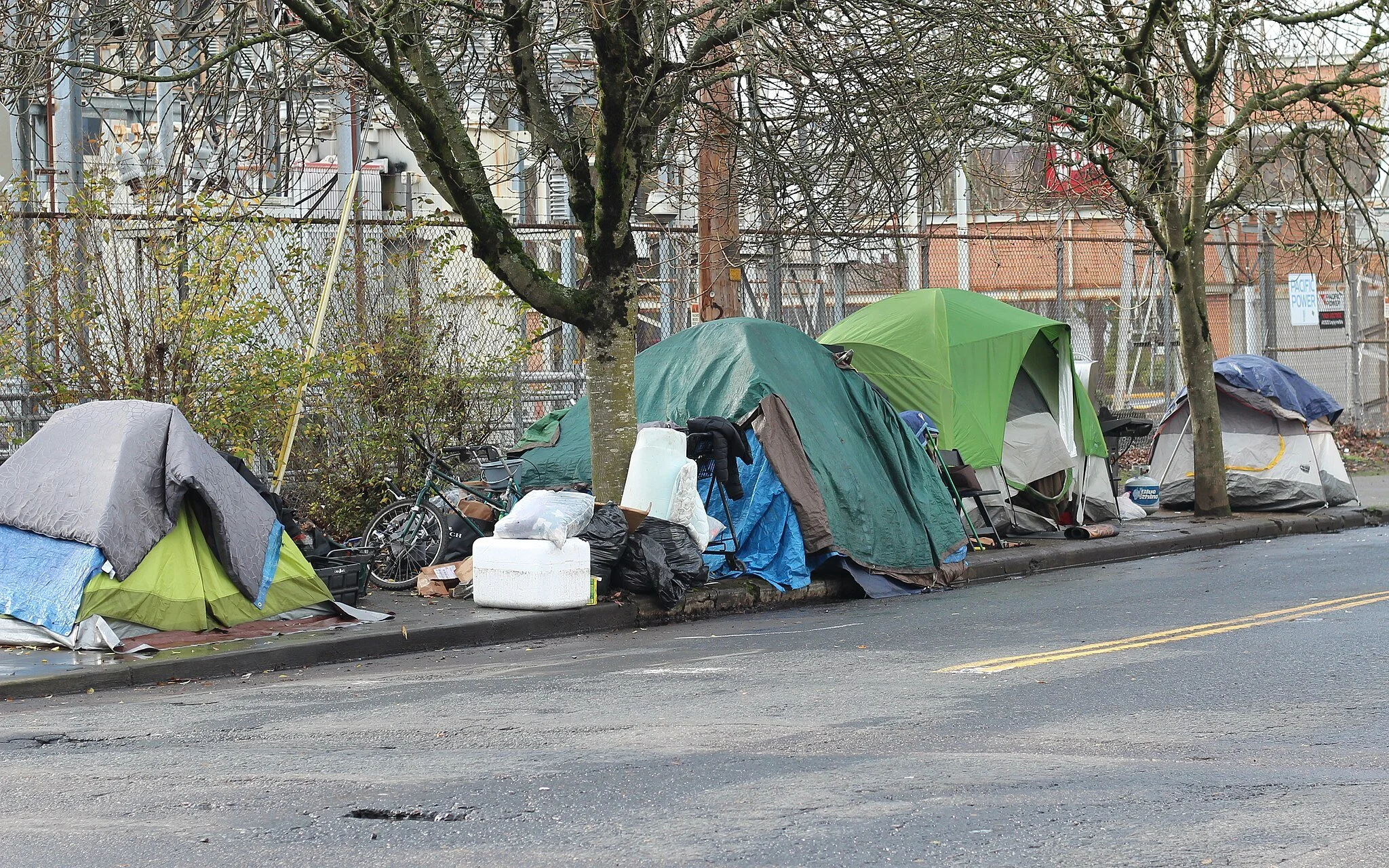

Despite government efforts and a solid economy, homelessness in San Jose and Silicon Valley continues to surge. Latest data suggests that, contrary to local homeless advocates' claims, homelessness tends to arise in the context of long-term, severe deprivation rather than large and sudden losses of income. A recent cross-country analysis found that about two thirds of adult homeless people suffer some form of mental illness. Econofact explores.
What explains the rising trend of homelessness in the US? What policies may help address this chronic social problem?
Homelessness is geographically concentrated. It tends to be considerably higher in coastal as opposed to interior states, and is much higher in urban centers, particularly in a few big cities including Los Angeles, San Francisco and New York. The percentage of homeless who are sheltered also varies widely. It is particularly high in New York (96 percent) where a “right to shelter” policy has been in place since a lawsuit in 1979 but very low in California (34 percent).
Homelessness is also concentrated among minorities and groups with severe income deprivation. According to the latest survey, 32 percent of the homeless identify as Black and 31 percent as Hispanic/Latin. American Indian, Alaska Native and Indigenous populations suffer a particularly high rate of homelessness (83 out of 10,000 people in 2023). 33 percent of the homeless were in families with children, while 19 percent were under 18.
A recent study found that the income of people experiencing homelessness remained persistently very low for a decade surrounding the period of homelessness, although nearly half of homeless adults had formal employment in the year they were observed as homeless and nearly all sheltered homeless adults either worked or were reached by at least one safety net program.
This suggests that homelessness tends to arise in the context of long-term, severe deprivation rather than large and sudden losses of income. A recent cross-country analysis found that about two thirds of adult homeless people suffer some form of mental illness, with the rate in the US being particularly high.
Other factors are also likely to contribute to variations in US homelessness rates. Geographically, homelessness tends to be higher where the climate is more favorable to sleeping outside.
The closure of mental hospitals since the 1950s is likely to have contributed to a secular rise in homelessness in the 1960s and 1970s, although many of these hospitals have been replaced by smaller community mental welfare centers.
Rising drug use and incarceration may also have contributed to rising homelessness among people who become detached from families and the labor market. The rate of homelessness in particular jurisdictions reflects the intensity of enforcement of vagrancy ordinances and the support provided by community services for the homeless (or lack thereof).
The recent rise in the number of homeless individuals in some communities, such as New York City, partly reflected efforts to shelter a rising number of asylum seekers.
Low rates of homelessness in some states, like Florida and Texas, places where housing is expensive and the climate favorable, does not necessarily mean that the problem has been resolved. People in these places may live in substandard housing, such as very crowded apartments, or they may move to places that provide more support.
Read the whole thing here.
Follow Opportunity Now on Twitter @svopportunity
We prize letters from our thoughtful readers. Typed on a Smith Corona. Written in longhand on fine stationery. Scribbled on a napkin. Hey, even composed on email. Feel free to send your comments to us at opportunitynowsv@gmail.com or (snail mail) 1590 Calaveras Ave., SJ, CA 95126. Remember to be thoughtful and polite. We will post letters on an irregular basis on the main Opp Now site.