
Why do cities like San Jose pay pay big bucks to lobby their own statehouse?
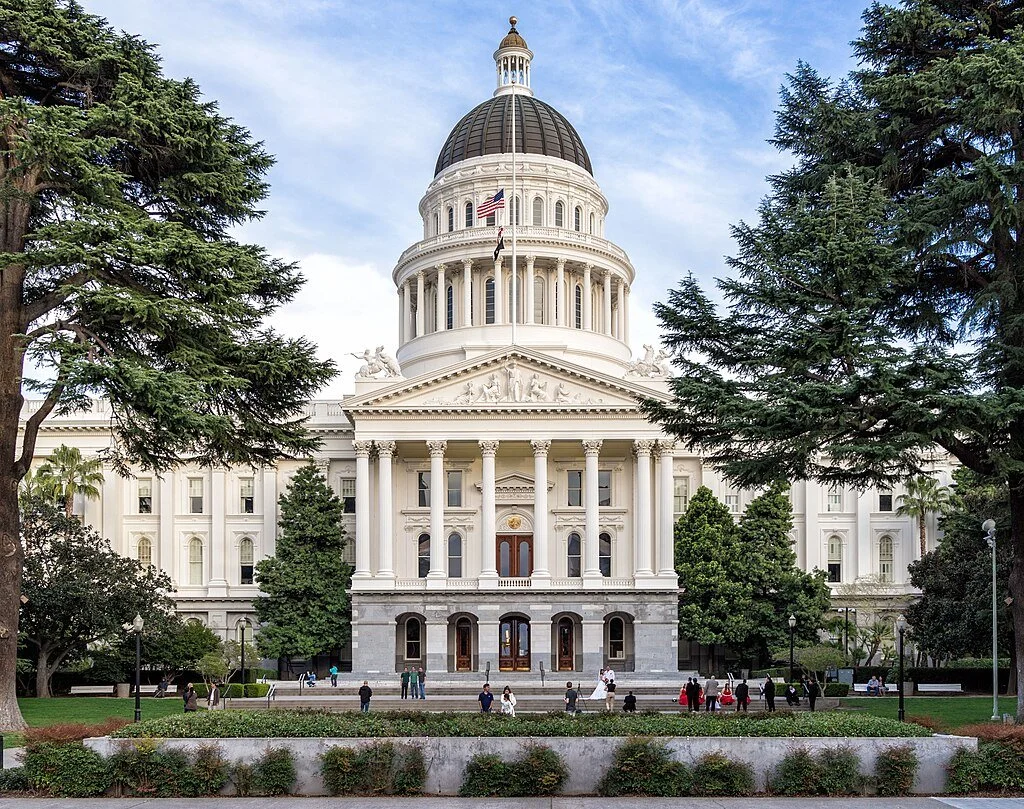
.jpg)
Wait, don't we elect representatives to, you know, represent us? Sac Bee explores why cities and counties feel the need to hire expensive lobbyists to get their way in statehouses--and how it runs counter to democratic assumptions.
Through the first three quarters of this year, the 35 largest California cities have spent a combined $3.4 million in public funds on private lobbying firms, according to public filings analyzed by The Sacramento Bee. Only two cities on that list did not report hiring a lobbying firm — Garden Grove and Lancaster.
City and county officials interviewed by The Bee said such fees were necessary expenditures for local governments competing with each other and with private industries in a political system flooded with lobbying and campaign finance dollars. But the spending raises questions about equity between rich and poor cities.
Cities aren’t the only government entities employing private lobbyists in California, and their spending is just a piece of a much larger pie.
The state’s counties have spent more than $4.1 million on such firms. Smaller cities also hire firms, but The Bee did not calculate the total. Most of the contracts are retainers — with the lobbying firms receiving an equal payment each quarter. With the last quarter of 2025 not yet reported, it’s likely the total of taxpayer dollars flowing from local governments to lobbyists in 2025 has already surpassed $10 million.
And that’s just at the state level. Many cities and counties have separate contracts for lobbyists working in Washington, D.C.
Private lobbying firms aren’t the only way local governments spend public funds on legislative advocacy. Cities, counties and other government entities in California spend millions more on membership dues to associations like The League of California Cities, which represents the interests of cities writ large, or the California State Association of Counties, which does the same for all 58 counties. Some counties and cities also have legislative advocates on their staffs.
California’s government, like the nation’s, carries built-in representation for county and city residents in both the statehouse and the nation’s Capitol — the state and federal lawmakers voters elect to represent their interests. So it can be striking, at first glance, that those same voters’ tax dollars also go to lobbying firms, sometimes to speak to their own legislative delegation, Julia Payson, a political science assistant professor at UCLA, said.
Read the whole thing here.
Follow Opportunity Now on Twitter @svopportunity
We prize letters from our thoughtful readers. Typed on a Smith Corona. Written in longhand on fine stationery. Scribbled on a napkin. Hey, even composed on email. Feel free to send your comments to us at opportunitynowsv@gmail.com or (snail mail) 1590 Calaveras Ave., SJ, CA 95126. Remember to be thoughtful and polite. We will post letters on an irregular basis on the main Opp Now site.