
VTA subsidized super-rich ticketholders at World Cup, at steep cost
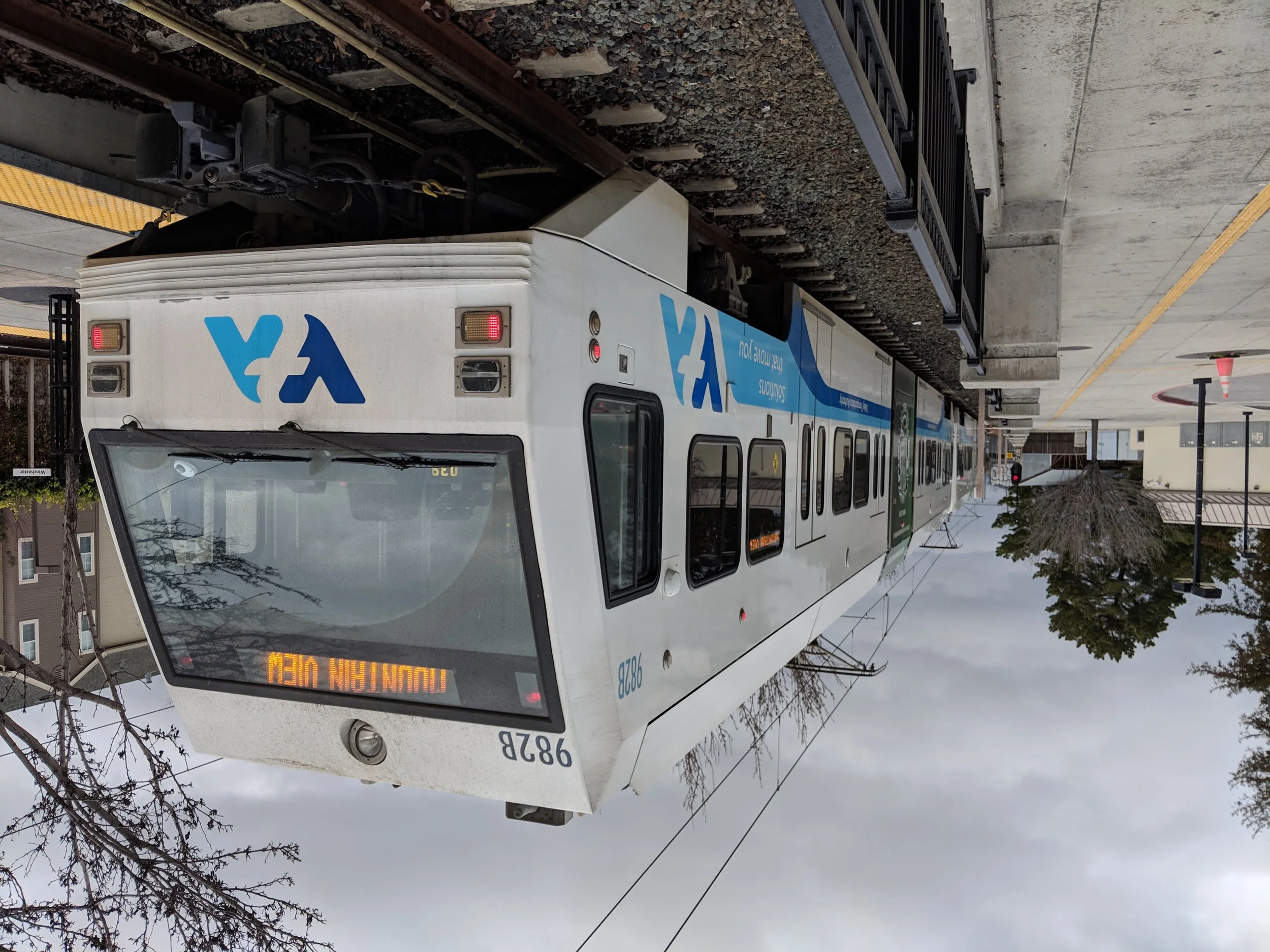

During World Cup, Santa Clara Valley Transportation Authority dropped thousands of soccer fans at the foot of Levi’s Stadium. And ended the tournament nearly $11 million in the hole. SF Chron reports.
VTA forked over $21.7 million to beef up law enforcement, security and operations staff during the matches at Levi’s Stadium, which lured throngs of face-painted, olé-chanting revelers onto the South Bay’s normally underused light rail system.
Federal grants covered only about half of the cost. The Federal Transit Administration awarded VTA $5.8 million from a program to compensate World Cup host cities, while the Federal Emergency Management Agency chipped in $4.7 million for safety and security.
Apart from that, VTA netted $238,687 in fares during the games, substantially less than the outlay. {Editor's note: as Transit expert Marc Joffe points out on X, "VTA charged World Cup fans the usual $2.50 fare to get to and from Levi's Stadium. As a result taxpayers have to fork over $11 million to subsidize riders who paid hundreds or even thousands of dollars per ticket. Uber used surge pricing.}
VTA’s peers also suffered losses. While Caltrain is still assessing its overhead for World Cup service, a spokesperson said the agency sought $6 million in reimbursement and received $2.8 million. BART received federal grants of up to $1.35 million to cover World Cup expenses. Departments are still tallying their charges and “don’t expect to go over that amount,” BART spokesperson Alicia Trost said. {Editor's note: Former BART Director Debora Allen wonders: "Before asking taxpayers for more money, shouldn’t BART know whether it made or lost money?".}
Spokespeople for VTA put a positive spin on what appeared to be a raw deal for a transit system facing a widening deficit. VTA, Caltrain, BART, AC Transit and other operators are relying on voters to approve a taxpayer bailout in November.
“The other costs absorbed by VTA, which will not impact any ongoing operations or programs but will likely reduce our current reserve, should be viewed as an investment in transit; an opportunity where VTA shined and showed people the power of transit,” agency spokespeople wrote in a statement to the Chronicle. {Editor's note: as we have often pointed out, local gov'ts like to hide losses and subsidies under the Orwell phrase 'investment".}
To Santa Clara County Supervisor Margaret Abe-Koga, it seems VTA was placed in an awkward position — compelled to deliver world-class service for infrastructure-straining crowds at a moment of financial precarity.
“I understand the economic benefits, and I hope the businesses (around Levi’s) did well,” Abe-Koga said. “But it’s at the expense of public agencies that have to subsidize services that are needed.” Abe-Koga stressed that she doesn’t blame VTA. She believes it will take state legislation to change how marquee sporting events are financed and delivered.
National Football League executives use a similar playbook with the Super Bowl, dangling it as a carrot to secure public subsidies for new stadiums. Local governments then hype the economic impact of these events without accounting for the back-end expenses, creating an impression that they are far more lucrative than they really are.
Read the whole thing here.
Follow Opportunity Now on Twitter @svopportunity
We prize letters from our thoughtful readers. Typed on a Smith Corona. Written in longhand on fine stationery. Scribbled on a napkin. Hey, even composed on email. Feel free to send your comments to us at opportunitynowsv@gmail.com or (snail mail) 1590 Calaveras Ave., SJ, CA 95126. Remember to be thoughtful and polite. We will post letters on an irregular basis on the main Opp Now site.