
Transit experts rip SPUR's dubious pro-RTM "study" as partisan, statistically-challenged
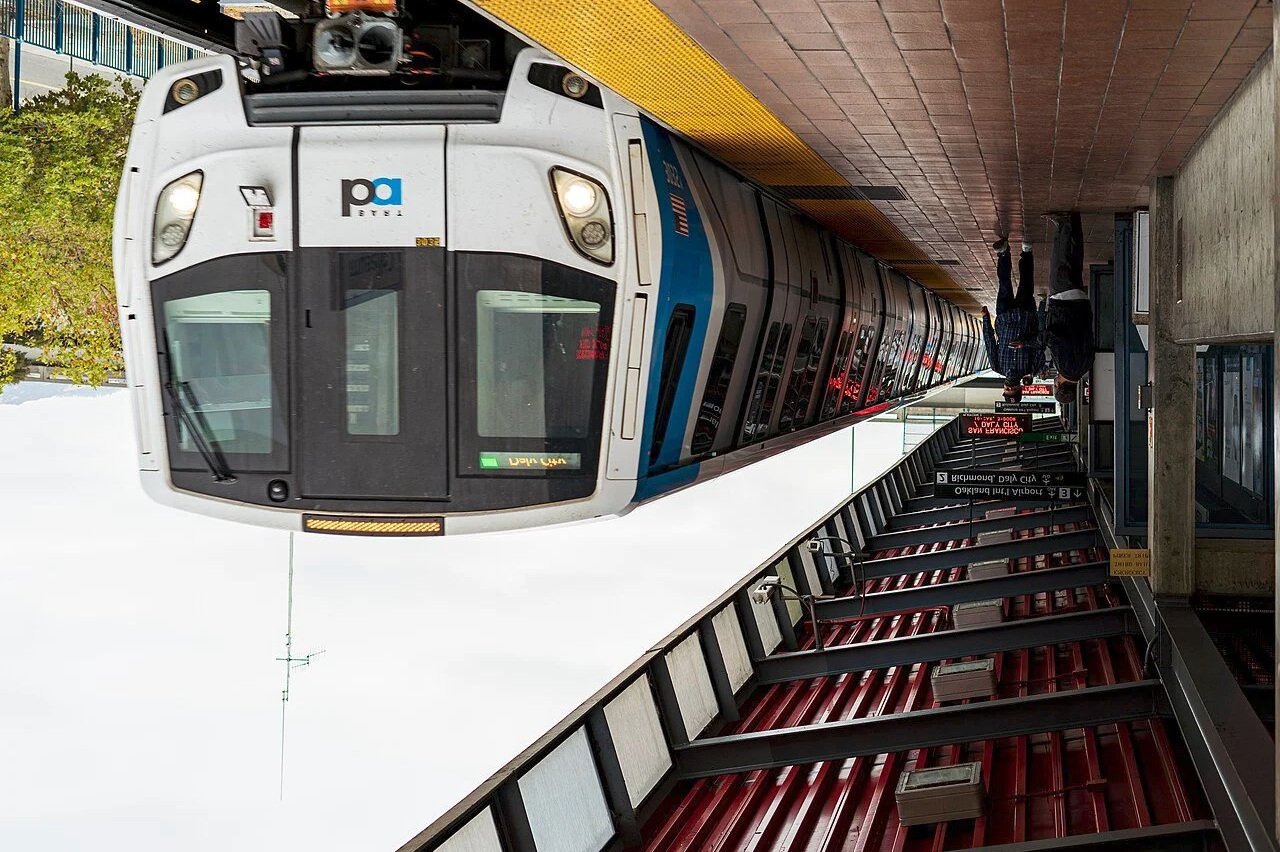

Unjustified assumptions. Unpublished data. Undisclosed financial ties. Zero analysis of alternatives. These are just a few of the concerns local transit experts have with SPUR's widely-panned (and widely quoted by local media!) puff research about the impact of the upcoming RTM tax.
“There are critical omissions – most notably a lack of sensitivity and alternatives analysis. It is unhelpful and misleading in predicting the impacts from the potential service cuts, and thus doesn’t make a good case in favor of the transit tax.”
That's Professor Damian Park of Santa Clara University, Economics Dept, responding to SPUR's scaremongering pseudo study, "Bumper to Bumper," which claims (falsely to many local transit experts) that there will be a notable increase in local traffic if the Bay Area transit system bailout, RTM, does not pass this November.
Park's response aligns with the transit experts leading the opposition to RTM who point out the following shortfalls in the SPUR report:
SPUR’s conclusion not supported by the analysis.
SPUR does not test cost restructuring, fare changes, bus rapid transit, congestion pricing, employer or payroll funding, micro-transit, interagency use of existing cash, or how commuters and businesses would adapt.
Financial ties not disclosed.
SPUR co-led the campaign supporting RTM, and the report’s author previously held campaign leadership and treasurer roles. Jacobs, the technical consultant, contributed $150,000 to the campaign and has approximately $122 million in authorized contracts and assigned work with regional transit agencies.
Critical assumptions not validated. Among other unjustified inputs, assumed shifts from transit to driving - 56% at certain closed end-of-line stations, 30% at other closed stations, and 25% under frequency reductions - are not supported by disclosed calibration, data or sensitivity testing.
The “lowest-ridership stations” claim is inaccurate, and affects the results.
SPUR claimed it modeled closing the 15 lowest ridership stations. However, the 15 stations SPUR selected recorded higher weekday boardings, worth roughly 25 - 35% more diverted trips.
The financial analysis is incomplete. On a cash-flow basis, using the report’s own figures, the two taxes would cost residents about $1.2 billion per year more than not adopting them. The review notes this is not a net-welfare estimate, because the report does not value delays, emissions or lost service.
SPUR provided no financial assessment of why cost per passenger-mile has risen about 159% since 2019, nor what the financial impacts of service cuts aside from SFMTA (Muni) would be on the operating deficits.--Committee for Affordable Bay Area Transit (CABAT)
Follow Opportunity Now on Twitter @svopportunity
We prize letters from our thoughtful readers. Typed on a Smith Corona. Written in longhand on fine stationery. Scribbled on a napkin. Hey, even composed on email. Feel free to send your comments to us at opportunitynowsv@gmail.com or (snail mail) 1590 Calaveras Ave., SJ, CA 95126. Remember to be thoughtful and polite. We will post letters on an irregular basis on the main Opp Now site.