
Opinion: Concerns that upzoning will increase traffic and pollution as Vehicle Miles Traveled goes up
.jpg)
Families and Homes examines potential environmental impacts of the “Missing Middle” Planning Commission recommendation.
In August 2021, Matt Mahan stated:
“Increasing density in the periphery of the city would be an environmental disaster in the long run. With more cars on the road having to commute to virtually everywhere, we’ll experience traffic gridlock like never before. There simply is not enough public transit infrastructure in San Jose’s suburbs.”
This statement was made in response to the 2021 Opportunity Housing proposal, which would have allowed up to four units on single-family lots. It is even more applicable to the current Missing Middle proposal, which would permit substantially greater density:
6,000–6,999 sq. ft. lots: 8–10 units (including ADUs)
9,000–10,890 sq. ft. lots: 12–16 units (including ADUs)
(see page 6 of GP Task Force May 20 Meeting Presentation on Missing Middle)
Overall VTA ridership has recovered to only about 72% of pre-pandemic levels, with most of that recovery occurring on core corridors such as Rapid Bus Routes 500 and 522 and the Blue and Green Light Rail lines serving downtown and North San Jose employment centers. In contrast, suburban routes - the same areas targeted for citywide up-zoning--serving neighborhoods such as Evergreen and Almaden--continue to experience minimal ridership. (See: Board Correspondence 06_05_26.pdf.)
VTA’s Ridership by Stop data further demonstrates that proximity to a bus stop does not translate into transit use. Even where service exists in outer single-family neighborhoods, ridership remains low because of infrequent service, long travel times, and inconvenient routing. As a result, residents of newly upzoned neighborhoods will continue to rely primarily on automobiles.
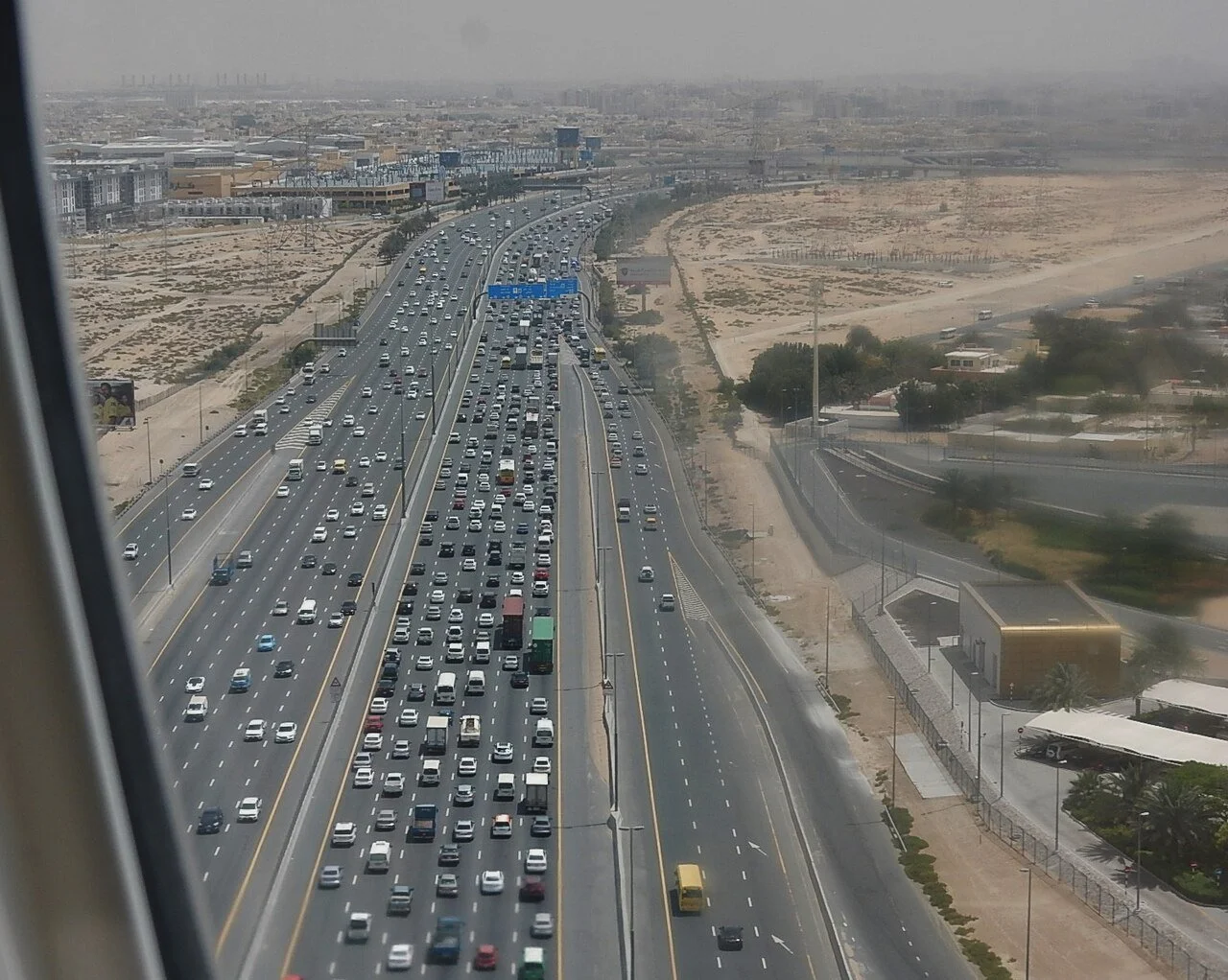
The proposed citywide “Missing Middle” up-zoning therefore allows significantly higher residential density in areas where driving is the only practical and statistically observed transportation choice. This will inevitably increase vehicle miles traveled (VMT), localized congestion, and associated greenhouse gas emissions.
Nor can the City rely on VTA to resolve these deficiencies. Two recent Santa Clara County Civil Grand Jury reports raised serious concerns about the agency’s performance:
The grand jury described VTA as the “most expensive and least efficient” transit system in the nation.
A separate grand jury report concluded that VTA failed to adequately manage the nearly $13 billion San Jose BART extension.
Taken together, the City’s own land-use proposal and VTA’s ridership data demonstrate that the Missing Middle proposal would incrementally and sporadically add new housing in neighborhoods where transit usage is low and automobile dependence is high, directly undermining the City’s environmental goals.
Read more here.
Follow Opportunity Now on Twitter @svopportunity
We prize letters from our thoughtful readers. Typed on a Smith Corona. Written in longhand on fine stationery. Scribbled on a napkin. Hey, even composed on email. Feel free to send your comments to us at opportunitynowsv@gmail.com or (snail mail) 1590 Calaveras Ave., SJ, CA 95126. Remember to be thoughtful and polite. We will post letters on an irregular basis on the main Opp Now site.