
☆ Moses, Christensen: what’s in a deal?
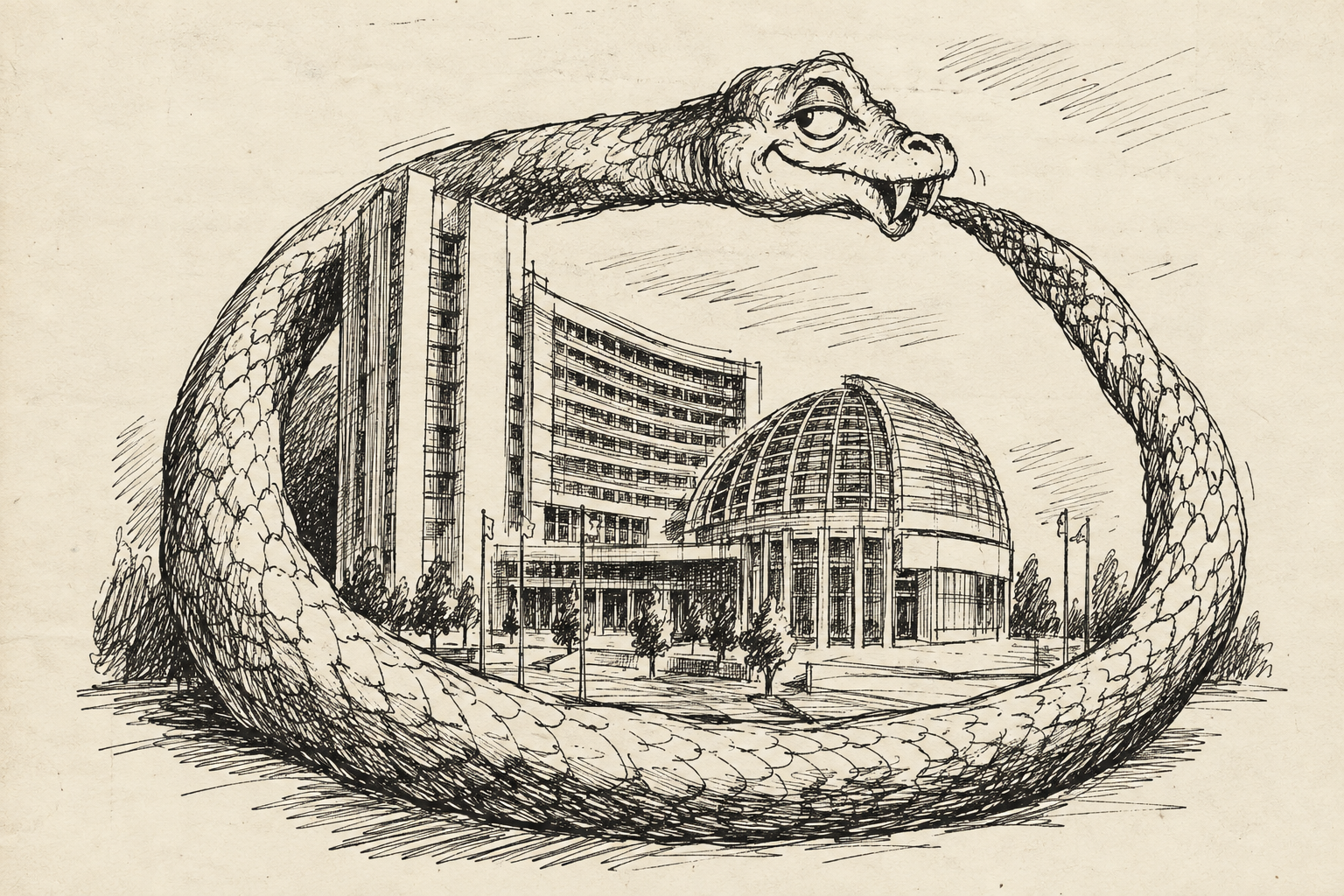
So SJ’s tentative agreement with the public sector unions may prevent a strike. But that’s “a very low bar,” says The Municipal Financial Crisis author Mark Moses in an Opportunity Now exclusive commentary: did the city surrender its authority in the deal? If so, why? CPC’s Lance Christensen points to a “conflict of interest” when councilmembers who are endorsed by the unions then ratify milestone agreements with the unions.
If a city’s authority is lost, productivity and efficiency suffer
“Avoiding a strike is a very low bar. The council should be negotiating for a city government that protects residents and their property, attracts capable employees, and improves operations without continually demanding more from taxpayers. Workers have criticized the proposed raises as insufficient to keep pace with inflation, while union leaders seek protection against AI-related staffing reductions. Higher productivity can support better pay without simply sending residents a larger tax bill. But that requires the city to retain authority to change work methods and staffing as technology and circumstances change. The council owes it to the residents to explain what authority the city gained, preserved, or surrendered in the tentative agreement—not just what it agreed to pay.
“San Jose’s June budget had to address a $50.3 million shortfall, with another deficit projected for 2027–28. That pressure should prompt the council to examine the city’s activities and the organization built around them. Which activities require the city’s legislative and enforcement powers to protect residents and their property? Which should be left to voluntary organizations and businesses? Activities outside that purpose need deliberate phaseouts that account for existing obligations. If every negotiation assumes the entire current organization must be preserved, the discussion is reduced to how residents will finance it. Even productivity gains provide only temporary relief when an open-ended mission supplies an endless list of additional activities. The city council should establish which activities belong in city government and ensure that labor agreements preserve management’s ability to direct and improve that work. A delimited scope and the freedom to improve operations offer a path to lasting financial stability, with the city’s resources and attention focused on its proper purpose: protecting residents and their property.” ~Mark Moses, of Muni Finance Guy Podcast
“Special interest puppets” spike taxes, deliver subpar outcomes
“The people of San Jose have to ask themselves if they are getting the kinds of services they are currently paying for and if not, why they should pay more for subpar outcomes. It should be illegal for the government unions' endorsed candidates to vote on increased salaries and benefits, including a cash out payment. In the business world, these kinds of deals would be conflicts of interest and board members would recuse themselves. Silicon Valley taxpayers will be stuck with terrible bargaining agreements and higher tax bills until they stop voting for spendthrift special interest puppets.” ~Lance Christensen, California Policy Center
Follow Opportunity Now on Twitter @svopportunity
We prize letters from our thoughtful readers. Typed on a Smith Corona. Written in longhand on fine stationery. Scribbled on a napkin. Hey, even composed on email. Feel free to send your comments to us at opportunitynowsv@gmail.com or (snail mail) 1590 Calaveras Ave., SJ, CA 95126. Remember to be thoughtful and polite. We will post letters on an irregular basis on the main Opp Now site.