
Don't fence me in
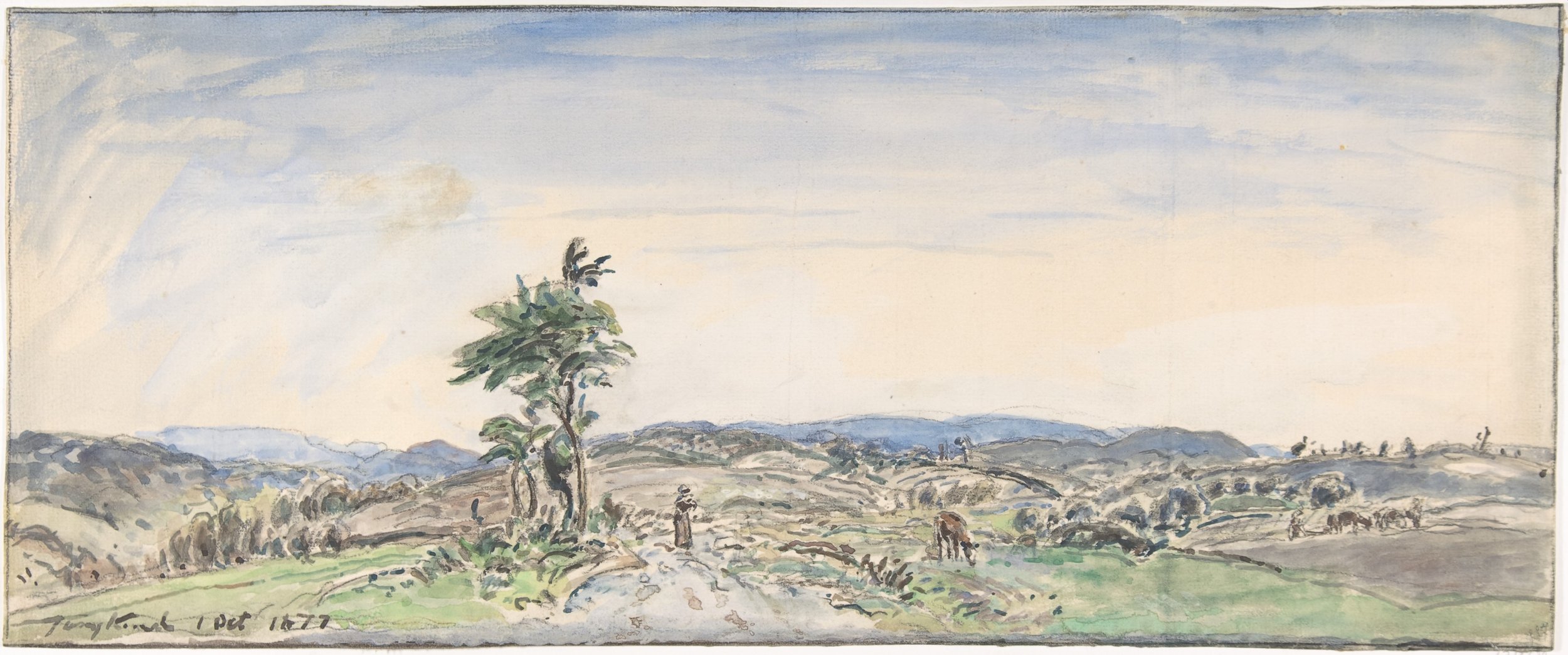
This week's dubious assertion: “We do not have new land in San Jose." That's the principal planner for the City of San Jose, trying to justify the need for more residential upzoning in the city to meet demand. Multiple experts contend that, in fact, there's still plenty of land to develop in SJ.
SJ's planner is ignoring the inconvenient fact that San Jose does have more land that could be developed for housing. A lot more: The 7400-acre Coyote Valley could be rezoned for affordable & market rate housing--providing, experts estimate, housing for up to 110,000 people. In doing so the city could arguably solve its housing and homelessness woes with a single decision. But the city chooses not to make that land available for development, due to its dated and NIMBY-ish Urban Growth Boundary.
SJ has plenty of land it could develop for housing
The mayor’s budget message complains about homelessness, lack of jobs in the city, and the difficulty in attracting talented city staff. These problems could be solved with one simple policy: abolishing the city’s urban-growth boundary and allowing builders to build new housing, commercial, and retail centers with minimal delay.
This would make room for more jobs, make housing more affordable, and overall make the region more attractive to both employers and employees.
--Randal O’Toole, Thoreau Institute senior fellow
Expert: Density and outfill should go together
In exchange for more apartments downtown, Californians could agree to more suburbs on former farmlands. YIMBYs sometimes misdescribe how cities add housing. Cities around the world, from Tokyo to Atlanta, become denser as they grow outward. Some pro density advocates point to Tokyo as a city that grew its population without taking up more land. But Tokyo’s area increased 54% from 1990 to 2010. Its rate of expansion doubled during this time and it became less dense overall.
Housing in suburbs is far cheaper to build than in the cities, which is how Tokyo and Atlanta have been able to keep overall housing prices comparatively low.
--Michael Shellenberger
CA and SJ potential housing land underutilized
California has some of the densest and most expensive urban areas in the nation. Thanks to growth management, 95 percent of the state's 2010 population was confined to 5% of the state's land.
The average density of California's urban areas was twice the average for urban areas in the rest of the country. Median home prices averaged more than six times median family incomes, and in some cities, price to income ratios were above 10.
--Reason mag
Follow Opportunity Now on Twitter @svopportunity
We prize letters from our thoughtful readers. Typed on a Smith Corona. Written in longhand on fine stationery. Scribbled on a napkin. Hey, even composed on email. Feel free to send your comments to us at opportunitynowsv@gmail.com or (snail mail) 1590 Calaveras Ave., SJ, CA 95126. Remember to be thoughtful and polite. We will post letters on an irregular basis on the main Opp Now site.