
☆ Misguided data center oppo
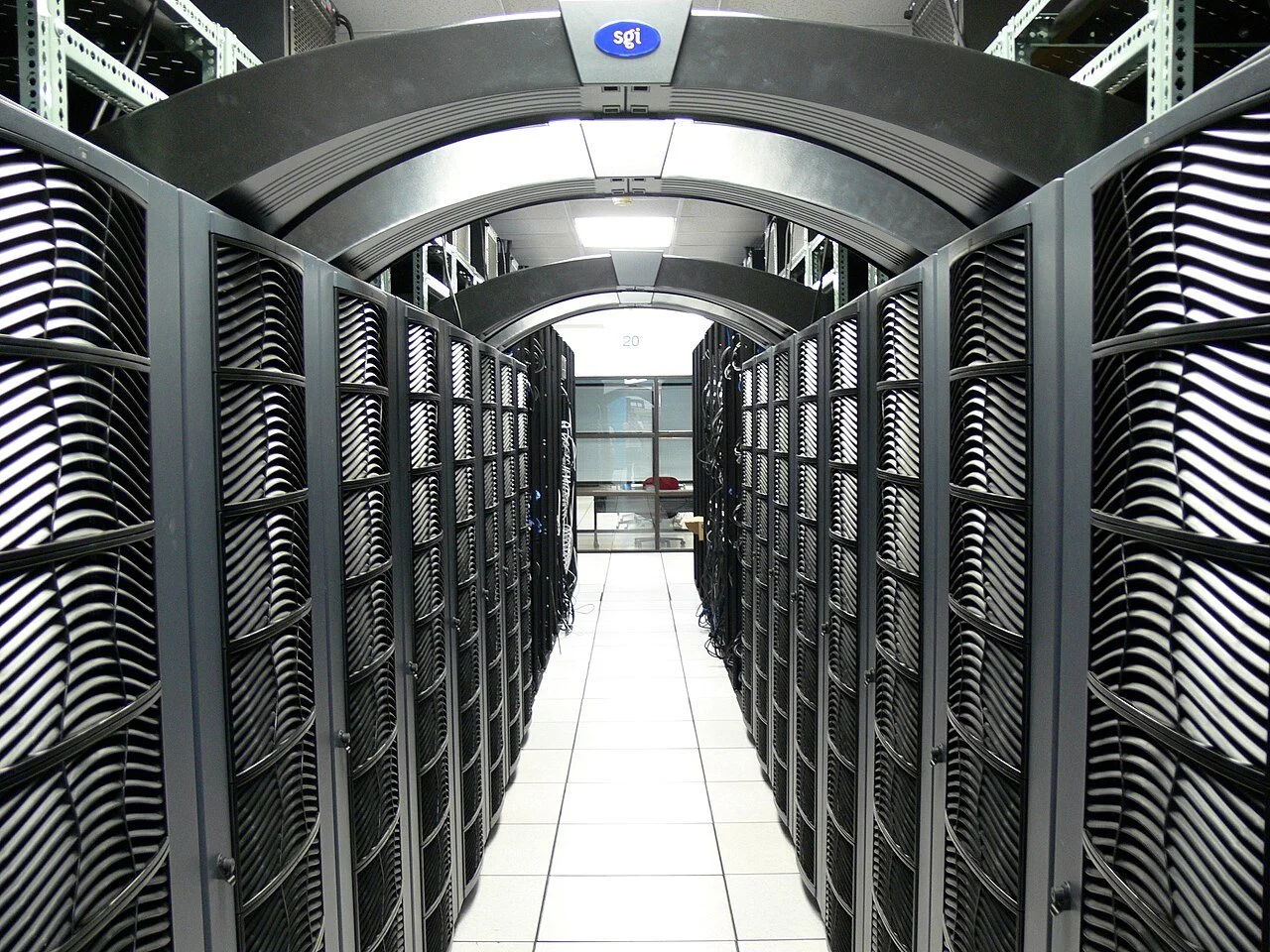

Some SJ residents are calling for a termination of the creation of new data centers in the city. Economists agree this is an overreaction that causes all sorts of downstream trouble for citizens and local gov't alike. Here are five reasons why, in an Opp Now exclusive:
1.) Data centers power digital services that are vital for everybody
If you like or use healthcare, banking, telecommunications, cloud computing, or emergency services--you need the services data centers empower. And remember, stopping construction does not stop consumer and business demand for digital tools.
2.) Moratoria kill high-wage, construction and skilled-trades jobs
Think about it for a sec: What does it take to build a data center? The answer:
Thousands of temporary or project based-workers
Electricians, HVAC techs, pipefitters
Heavy equipment operators.
Many of these are skilled craft workers and electricians earning premium or six-figure salaries.
3.) Moratoria diminishes vital local gov't revenue
We're guessing you use schools, roads, or public safety services. If you do, you might want to consider that
data centers generate outsized local tax revenues per acre compared to other business and residential uses. Banning them pushes investments to neighboring urban areas, which will accrue the benefits.
4.) Data centers don't affect your power bill
Moratoria-fans often claim that data centers are power-hungry, hence will raise your power bill. Analysts say no: In fact, energy prices are largely driven by CA's collapsing grid infrastructure and fuel costs.
5.) Data center moratoria has bad downstream impact on important local issues
Just because you stop a data center doesn't magically turn that land into subsidized (ooops, we mean "affordable") housing or more green space so rich people have nice views from their balconies. Usually, canceled or delayed sites frequently get tied up in multi-year rezoning disputes and litigation.